
Search StudySC for people, places, history, and ideas.
StudySC – Know where you live.
Explore South Carolina through StudySC! Learn about your community, South Carolina history, and the people who have made a significant impact on the state and the world.
SC Subjects by Grade Level

StudySC's SC250 Resources
Discover how South Carolina helped shape the American Revolution. Explore the people, places, and pivotal moments that made the Palmetto State a turning point in the fight for independence.
South Carolina People

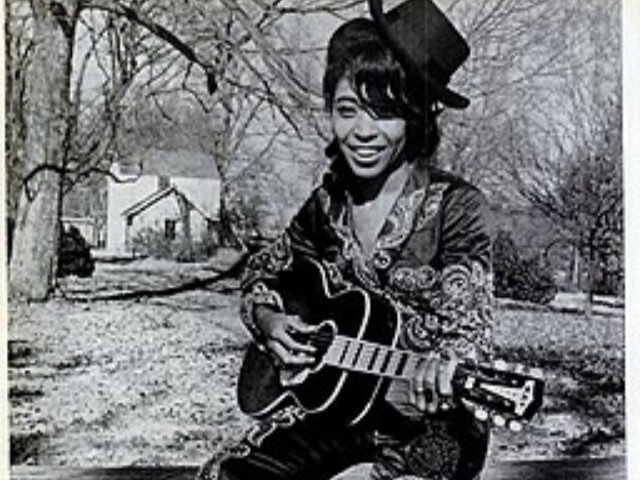
Linda Martell
Linda Martell is a singer. She became the first commercially successful black female artist in the country music field and the first to play the Grand Ole Opry.
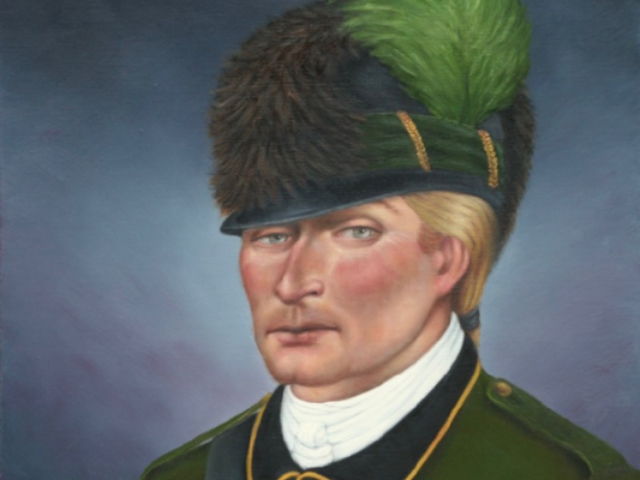
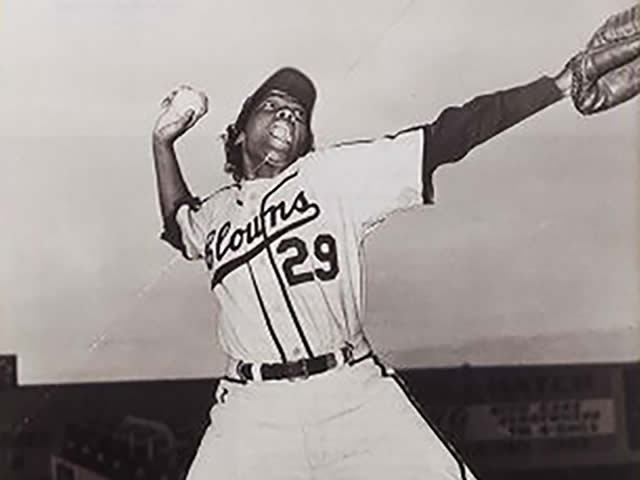
Mamie "Peanut" Johnson
Born in Ridgeway, SC, Mamie "Peanut" Johnson was the only woman to pitch for Negro Major League.
South Carolina Counties
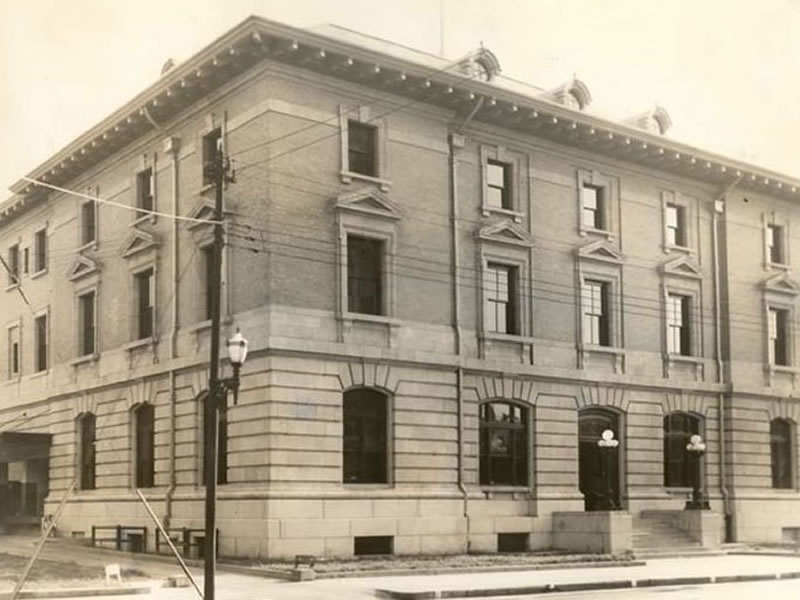
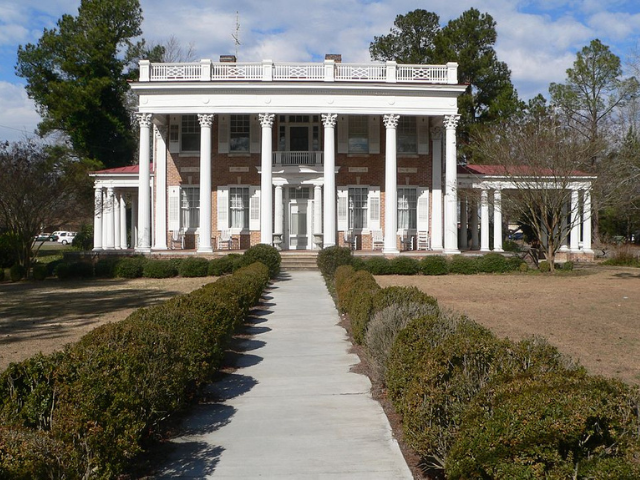
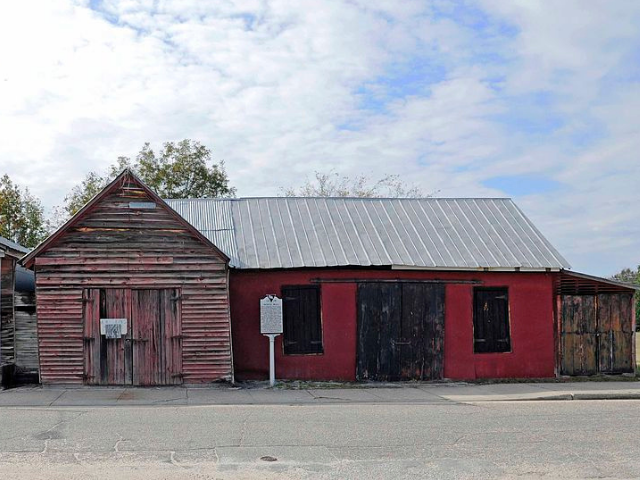
Clarendon County
Clarendon County was named for Edward Hyde, Earl of Clarendon (1608/9-1674), one of the Lords Proprietors of Carolina.
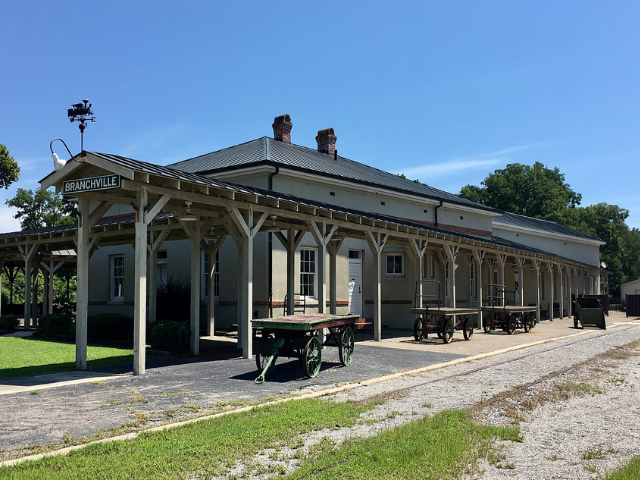
Orangeburg County
Orangeburg County and its county seat, Orangeburg, were named for William IV (1711-1751), Prince of Orange, the son-in-law of King George II.
South Carolina Facts
South Carolina State Animal
The White-tailed Deer (Odocoileus virginianus) can be seen bounding through South Carolina's woods year-round. They are plentiful in our state, and in 1972 the legislature named them the official state animal
South Carolina Glossary
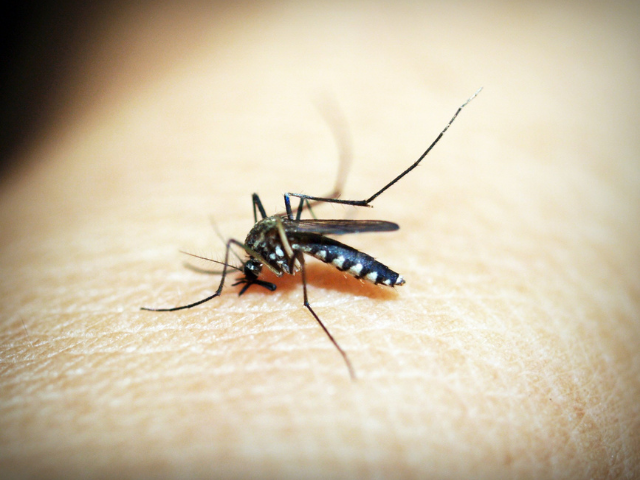
malaria
(noun) - an illness caused by the bite of a parasite carrying mosquito. It causes intermittent and violent fevers, which can lead to death.


Copyright © 2026. All rights reserved.