
Search StudySC for people, places, history, and ideas.
StudySC – Know where you live.
Explore South Carolina through StudySC! Learn about your community, South Carolina history, and the people who have made a significant impact on the state and the world.
SC Subjects by Grade Level

StudySC's SC250 Resources
Discover how South Carolina helped shape the American Revolution. Explore the people, places, and pivotal moments that made the Palmetto State a turning point in the fight for independence.
South Carolina People
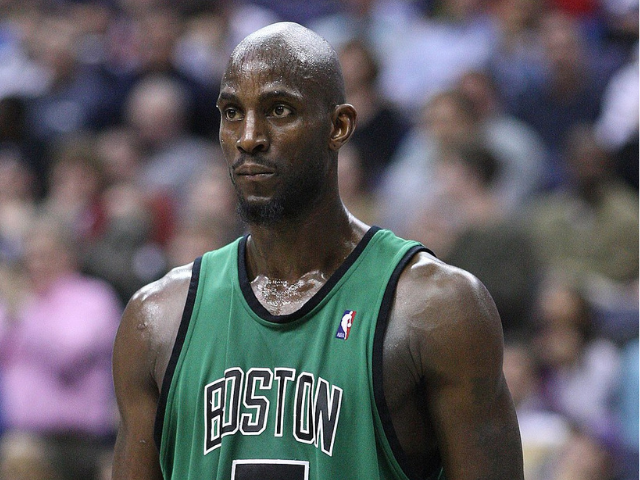
Kevin Garnett
Kevin Garnett is an accomplished basketball player in the NBA. He has played with the Minnesota Timberwolves and the Boston Celtics.
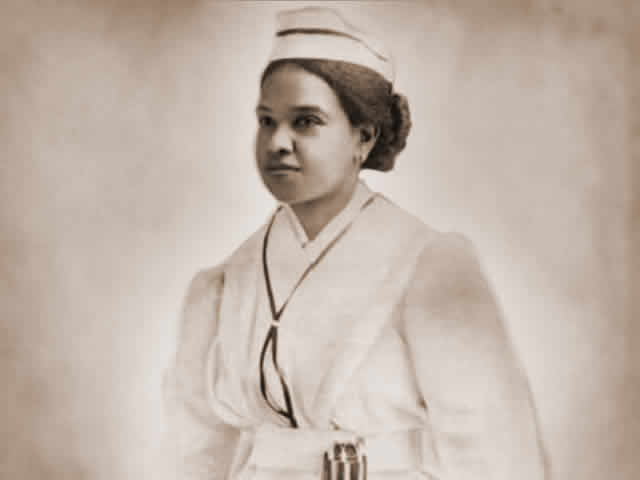
Anna DeCosta Banks
Charleston native, Anna DeCosta Banks, was the first head nurse at the Hospital and Training School for Nurses in Charleston, South Carolina.
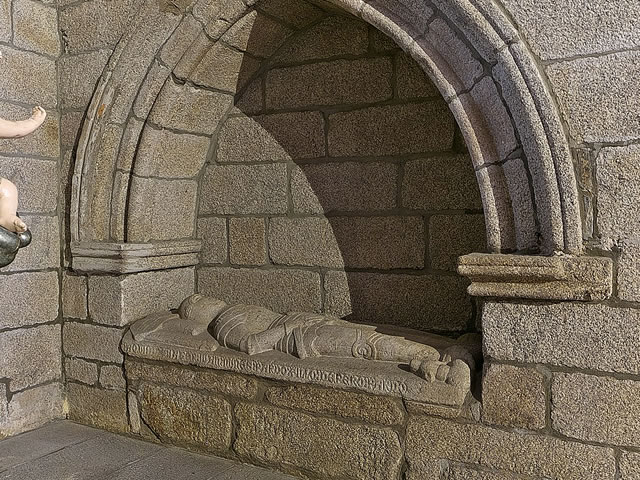
Juan Pardo
Juan Pardo was a Spanish explorer who built missions and forts in the Southeast in 1566 and 1567.
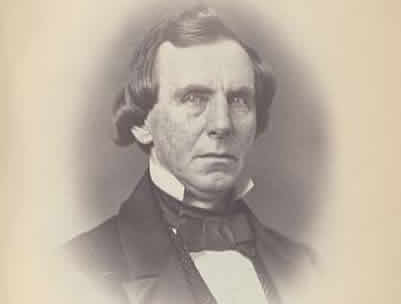
John McQueen
John McQueen the U.S. Representative for South Carolina from 1853 to 1860. He also was a member of the Confederate States Congress during the American Civil War.
South Carolina Counties

Williamsburg County
Williamsburg County was probably named for King William III of England (1650-1702). Scotch-Irish and French Huguenot settlers began moving into this part of the Lowcountry around 1732.
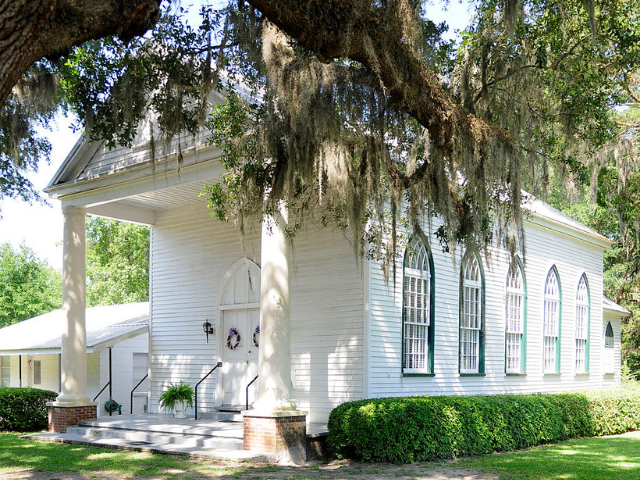
Jasper County
Jasper County was named for Revolutionary War hero Sergeant William Jasper (ca.1750-1779).
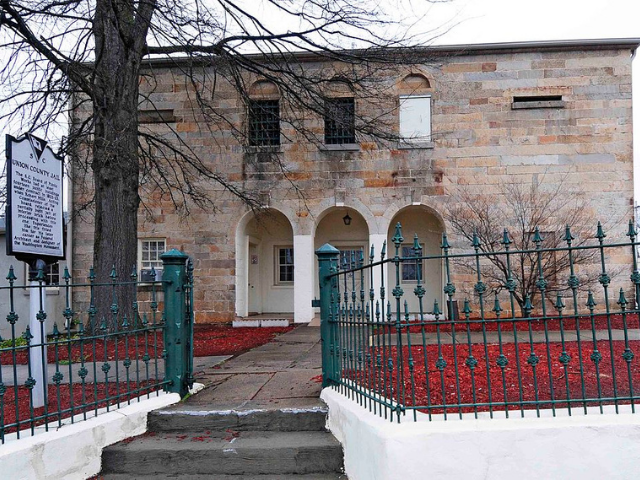
Union County
Union County was named for the old Union Church, which served both the Presbyterian and Episcopal congregations in the area.
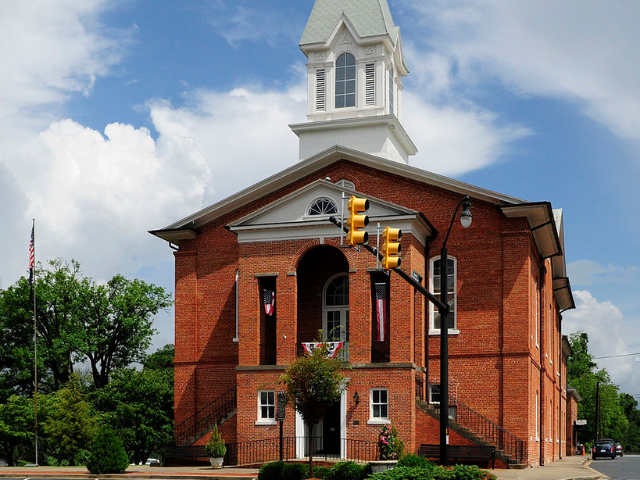
Chesterfield County
Chesterfield County was named for the English statesman Lord Chesterfield (1694-1773).
South Carolina Facts
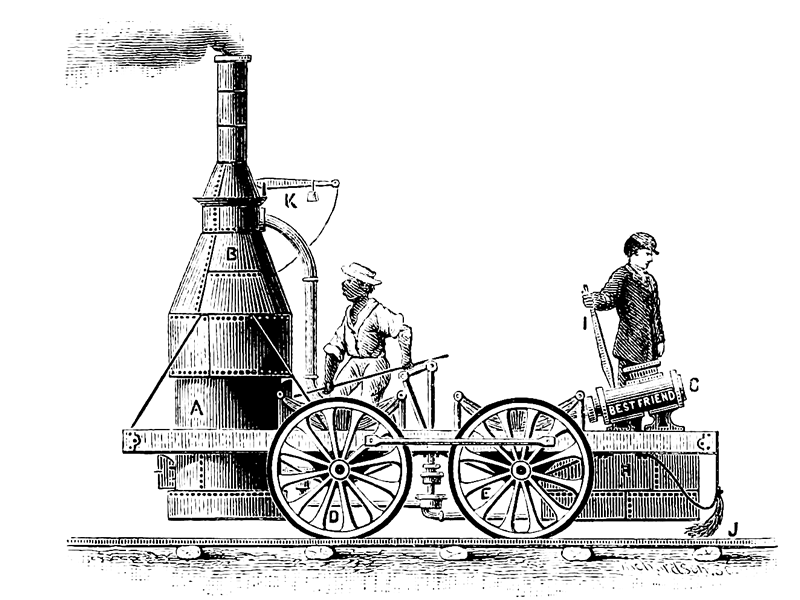
South Carolina Firsts
- In 1526, Lucas Vásquez de Ayllón founded San Miguel de Guadalupe, the first white European settlement near present-day Georgetown. The Spanish settlement was unsuccessful and failed within a few months.
- The Stono Rebellion was not the first slave revolt in South Carolina. The enslaved Africans that came with the Spanish colonizers revolted in November 1526.
South Carolina Glossary
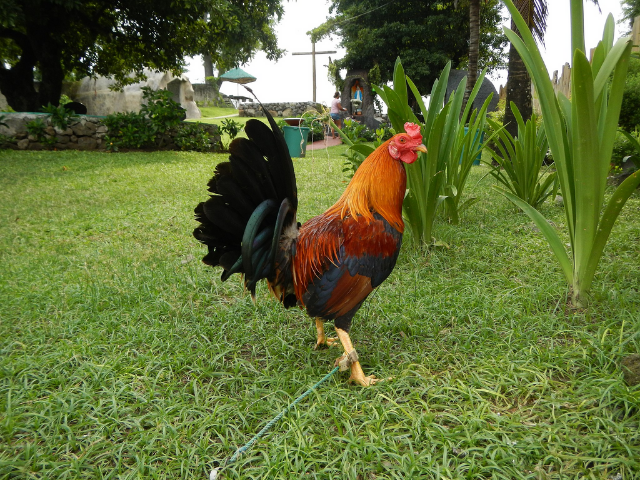
gamecock
(noun) - a rooster bred and trained for fighting


Copyright © 2026. All rights reserved.