
Search StudySC for people, places, history, and ideas.
StudySC – Know where you live.
Explore South Carolina through StudySC! Learn about your community, South Carolina history, and the people who have made a significant impact on the state and the world.
SC Subjects by Grade Level

StudySC's SC250 Resources
Discover how South Carolina helped shape the American Revolution. Explore the people, places, and pivotal moments that made the Palmetto State a turning point in the fight for independence.
South Carolina People
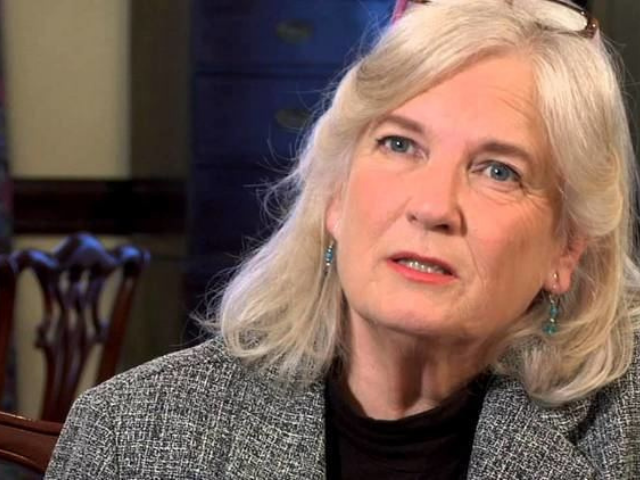
Josephine Humphreys
Josephine Humphreys is a novelist from Charleston, South Carolina. Several of her novels are set in Charleston.
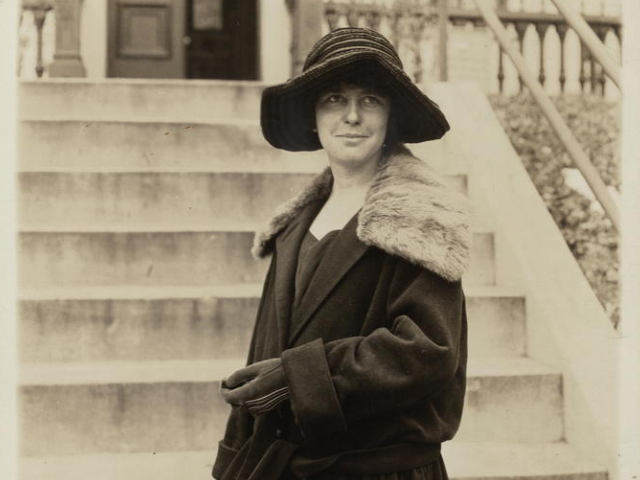
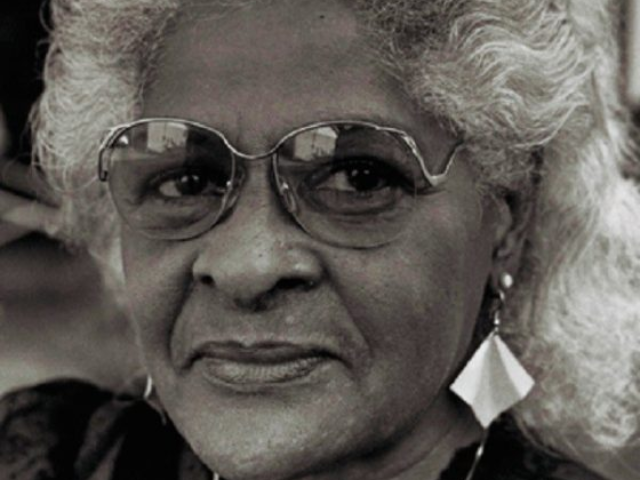
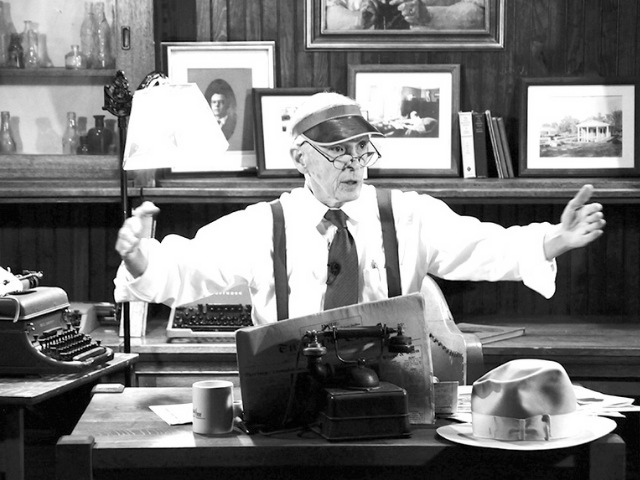
Verni Robert Quillen
Verni Robert Quillen was a journalist and humorist from Fountain Inn, South Carolina.
South Carolina Counties
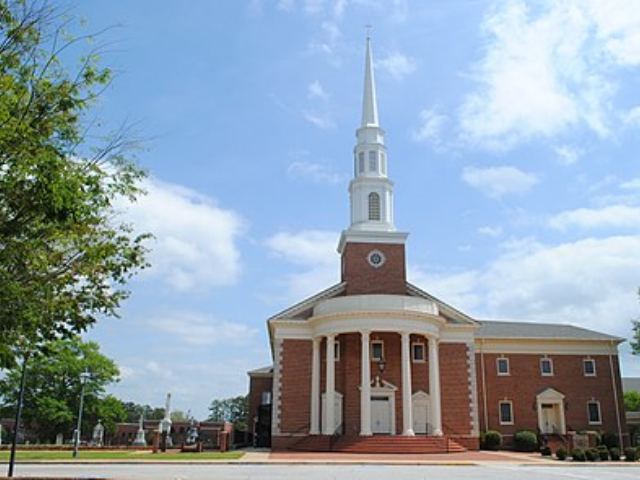
Anderson County
Anderson County and its county seat, Anderson, were named for Revolutionary War general Robert Anderson (1741-1812).
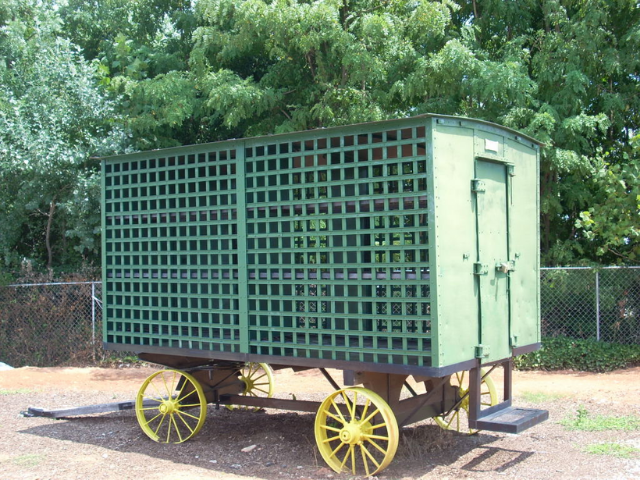
Oconee County
Oconee County takes its name from a Native American word meaning "water eyes of the hills." It was formed in 1868 from Pickens District, and the county seat is Walhalla.
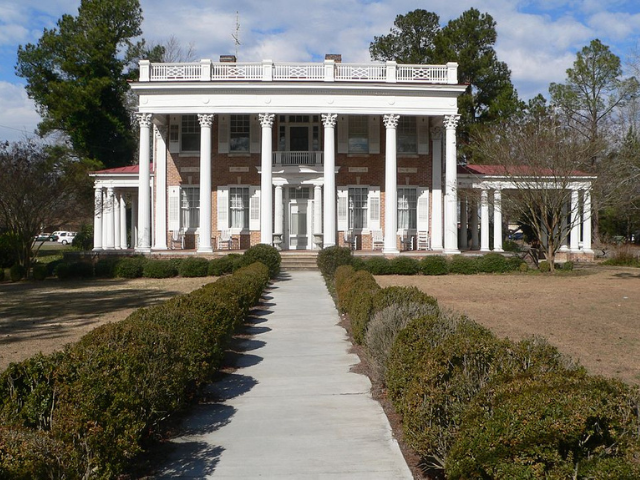
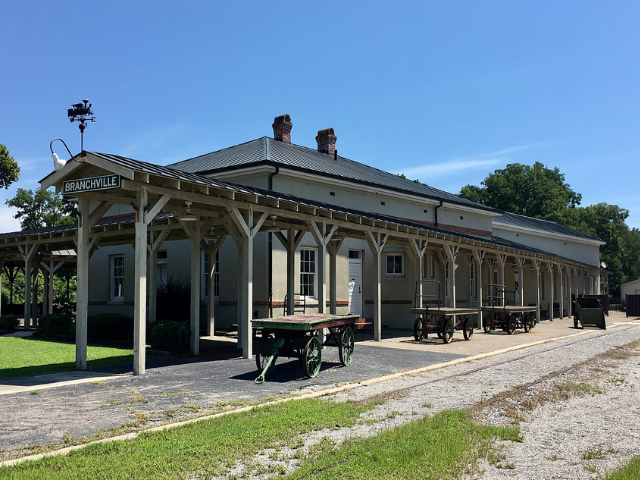
Orangeburg County
Orangeburg County and its county seat, Orangeburg, were named for William IV (1711-1751), Prince of Orange, the son-in-law of King George II.
South Carolina Facts
South Carolina State Dog
The Boykin Spaniel is the only dog initially bred by South Carolinians and has developed into a breed of superb hunting instincts and mild temperament. In 1985, the Boykin Spaniel was designated the official State Dog of South Carolina.
South Carolina Glossary
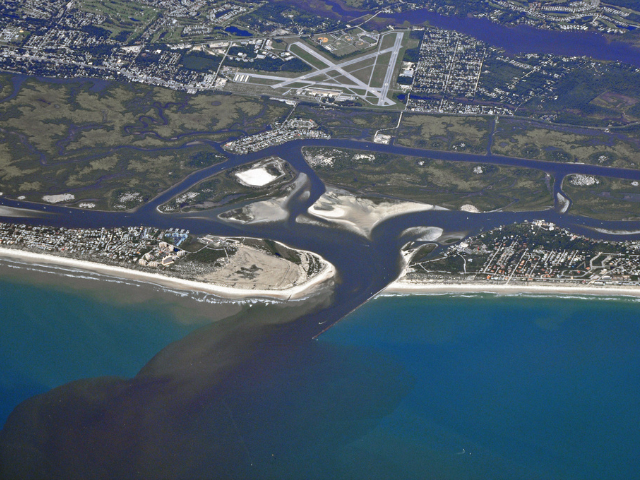
inlet
(noun) - a narrow strip of water running into the land or between islands


Copyright © 2026. All rights reserved.