
Search StudySC for people, places, history, and ideas.
StudySC – Know where you live.
Explore South Carolina through StudySC! Learn about your community, South Carolina history, and the people who have made a significant impact on the state and the world.
SC Subjects by Grade Level

StudySC's SC250 Resources
Discover how South Carolina helped shape the American Revolution. Explore the people, places, and pivotal moments that made the Palmetto State a turning point in the fight for independence.
South Carolina People
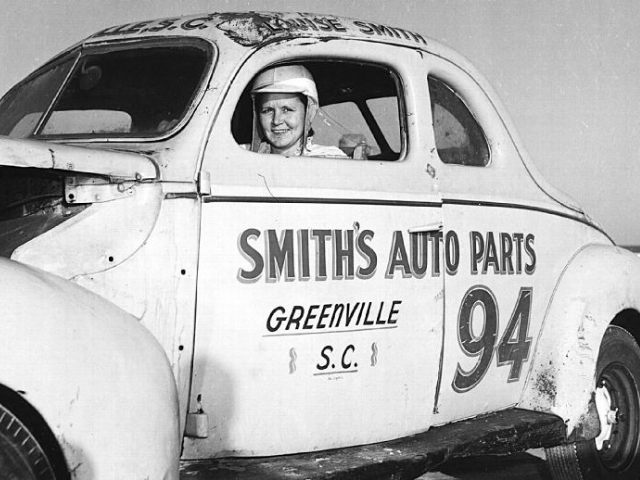
Louise Smith
Louise Smith was known as “the first lady of racing.” Louise Smith was the first professional woman race car driver.
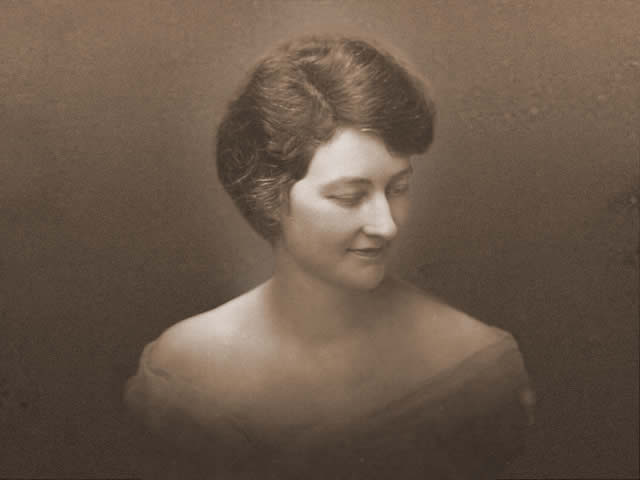
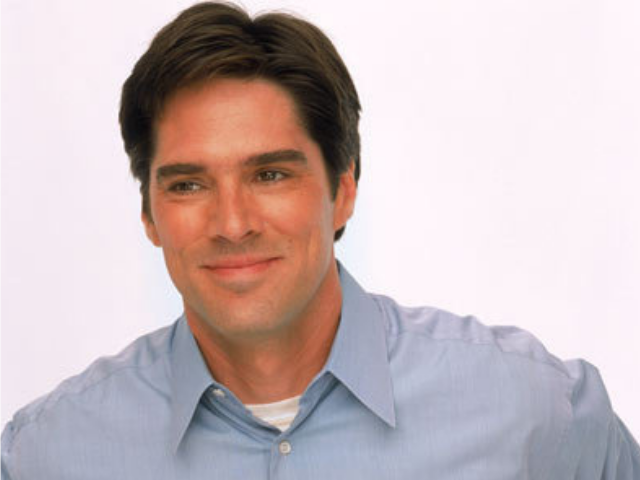
Thomas Gibson
Thomas Ellis Gibson is an actor. He is known for his roles in Criminal Minds, Dharma & Greg, and Chicago Hope.
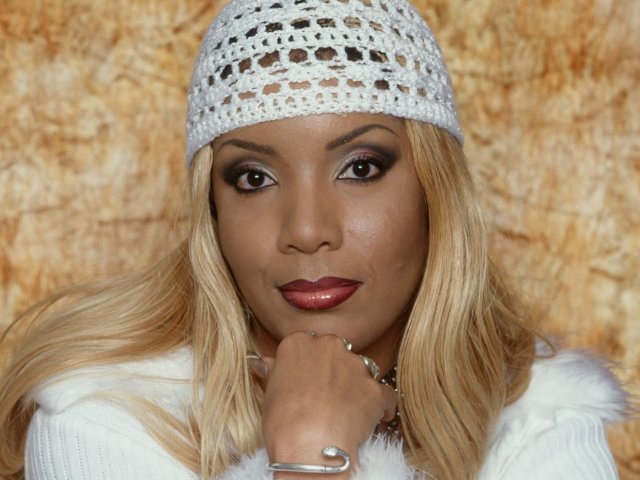
Melanie Thornton
Melanie Thornton was the lead singer o the Eurodance group La Bouche. The group is known for their singles, "Sweet Dreams" and "Be My Lover."
South Carolina Counties
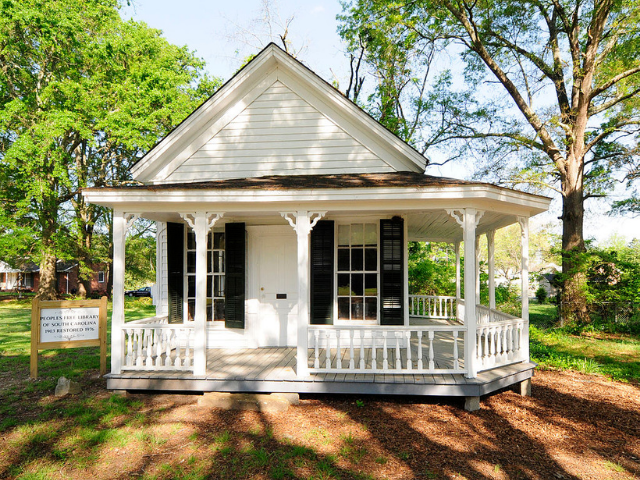
Chester County
Chester County and its county seat, the city of Chester, were named for Chester County, Pennsylvania.
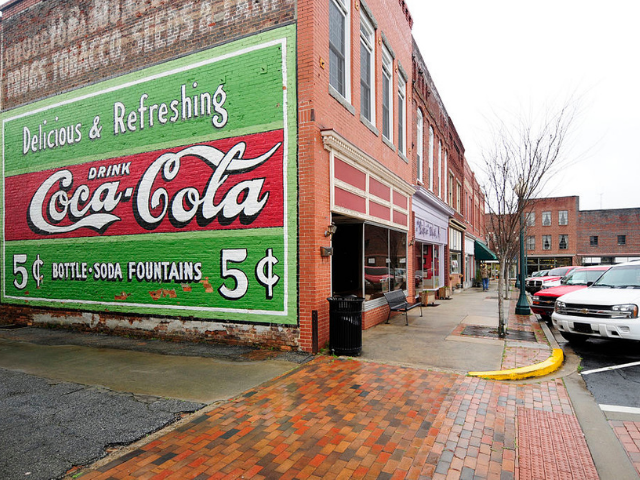
Laurens County
Laurens County and its county seat, Laurens, were named for Revolutionary War leader Henry Laurens (1724-1792).
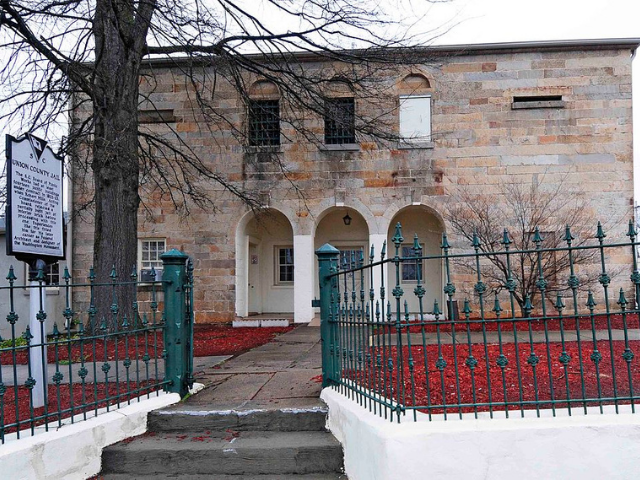
Union County
Union County was named for the old Union Church, which served both the Presbyterian and Episcopal congregations in the area.
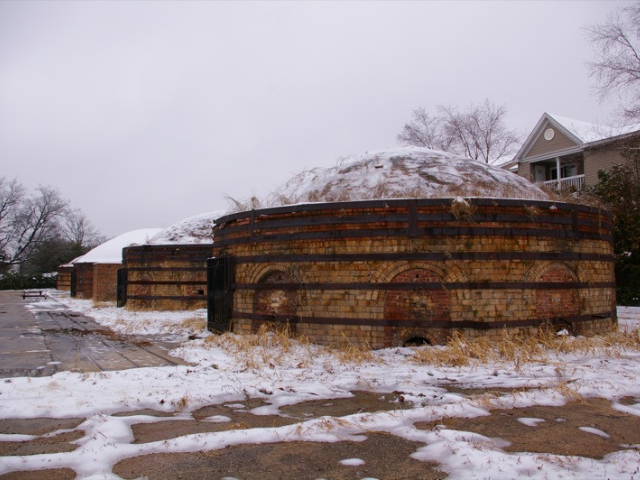
Lexington County
Lexington County and its county seat, the town of Lexington, were named for the battle of Lexington, Massachusetts, the first battle of the American Revolution.
South Carolina Facts
South Carolina State Work Animal
The hard-working Mule was designated as the official State Heritage Work Animal by Act Number 240 of 2010.
South Carolina Glossary

Appalachia
(noun) - a mountain range in the eastern United States extending from Quebec to the Gulf of Mexico


Copyright © 2026. All rights reserved.