
Search StudySC for people, places, history, and ideas.
StudySC – Know where you live.
Explore South Carolina through StudySC! Learn about your community, South Carolina history, and the people who have made a significant impact on the state and the world.
SC Subjects by Grade Level

StudySC's SC250 Resources
Discover how South Carolina helped shape the American Revolution. Explore the people, places, and pivotal moments that made the Palmetto State a turning point in the fight for independence.
South Carolina People
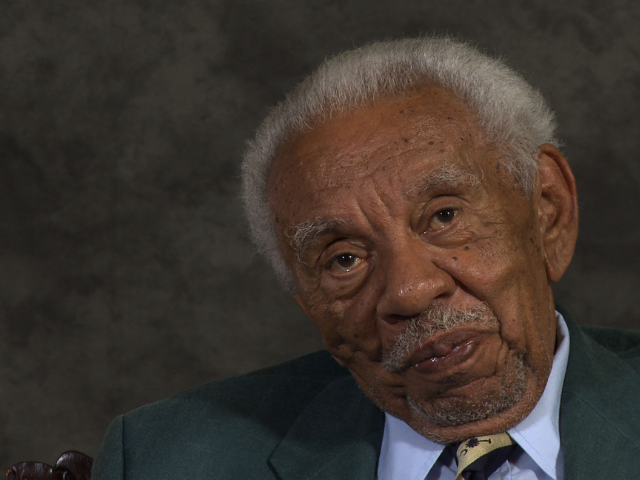
Ernest Adolphus Finney, Jr.
Ernest Adolphus Finney, Jr. was the first African-American Supreme Court Justice appointed to the South Carolina Supreme Court since the Reconstruction Era.
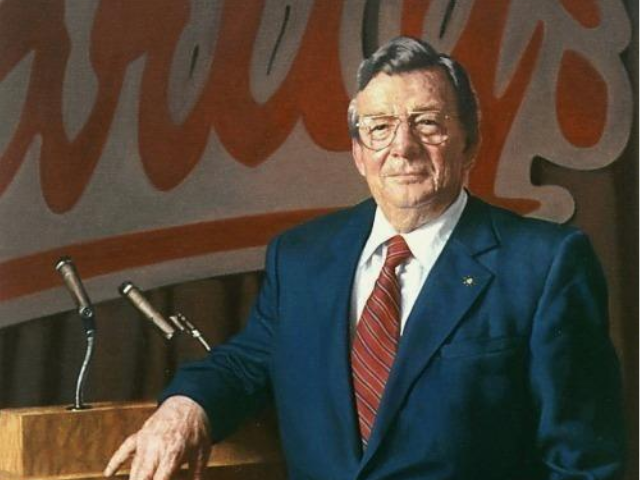
Joseph Lane Kirkland
Joseph Lane Kirkland was a labor union leader who served as president of the AFL-CIO from 1979 to 1995.
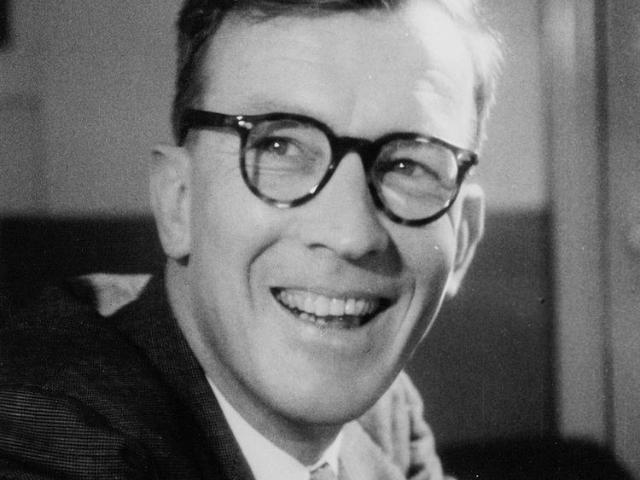
Frank B. Gilbreth, Jr.
Frank Bunker Gilbreth, Jr. was a journalist and author. He is best known for co-authoring Cheaper by the Dozen and Belles on Their Toes.
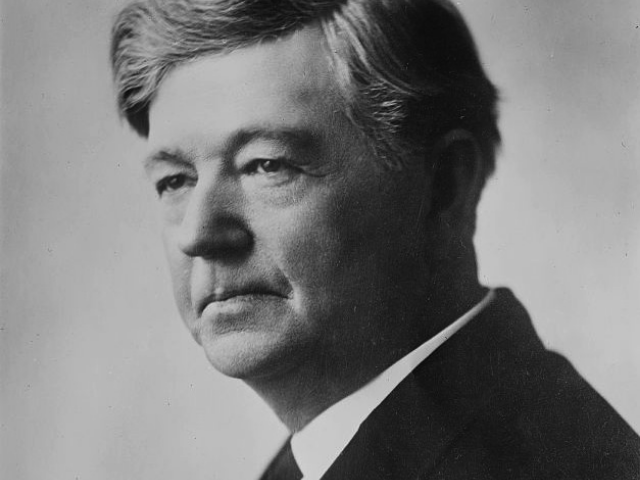
John Gardiner Richards, Jr.
John Gardiner Richards, Jr. was the governor of South Carolina from 1926-1931.
South Carolina Counties

McCormick County
McCormick County and its county seat, the town of McCormick, were named for inventor Cyrus Hall McCormick (1809-1884).
Charleston County
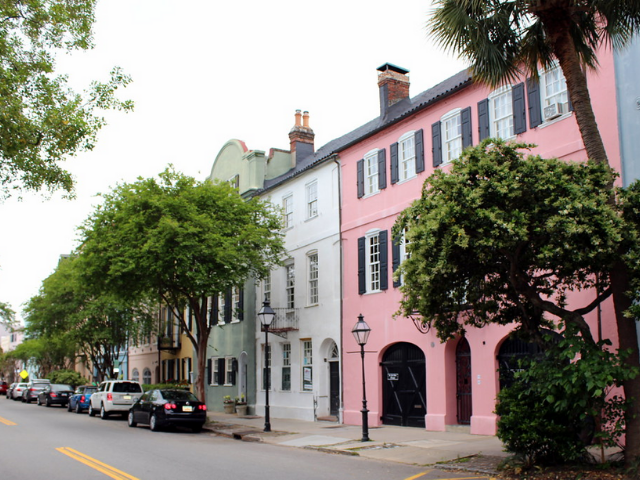
Charleston County and the city of Charleston, its county seat, are the most historic locations in the state. English settlers arrived in the colony of Carolina in 1670 and established a town at Albemarle Point on the west bank of the Ashley River.

South Carolina Facts
South Carolina State Vegetable
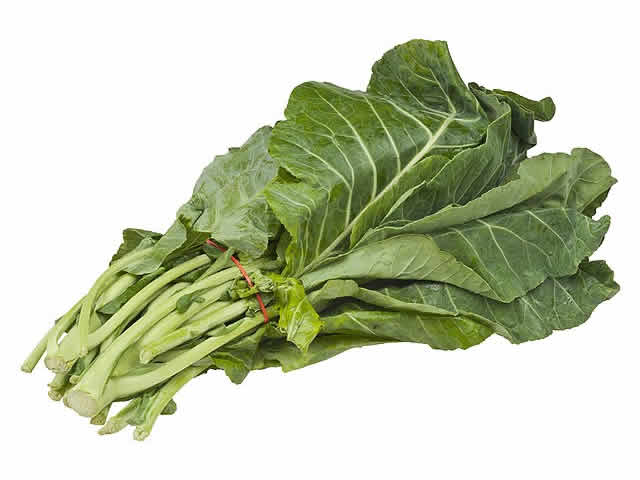
Big, green, and leafy, Collard Greens (Brassica oleracea var. viridis) was designated as the official State Vegetable by Act Number 38 of 2011, as a result of efforts by Mary Grace Wingard, a third-grader from Lexington, South Carolina. South Carolina ranks second in the nation in collard green production.
South Carolina Glossary

lieutenant governor
(noun) - the second-highest constitutional officer in the state. In South Carolina, the lieutenant governor serves as the governor if the governor cannot serve for any reason. The lieutenant governor is also the president of the state senate.


Copyright © 2026. All rights reserved.