
Search StudySC for people, places, history, and ideas.
StudySC – Know where you live.
Explore South Carolina through StudySC! Learn about your community, South Carolina history, and the people who have made a significant impact on the state and the world.
SC Subjects by Grade Level

StudySC's SC250 Resources
Discover how South Carolina helped shape the American Revolution. Explore the people, places, and pivotal moments that made the Palmetto State a turning point in the fight for independence.
South Carolina People
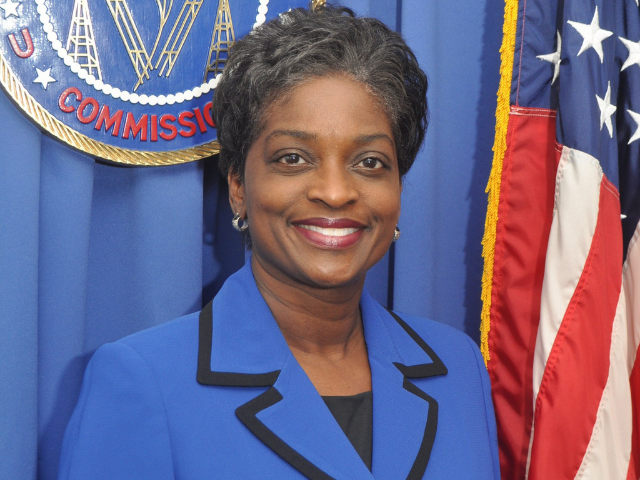
Mignon L. Clyburn
Mignon L. Clyburn was the first African American woman to head the Federal Communications Commission.
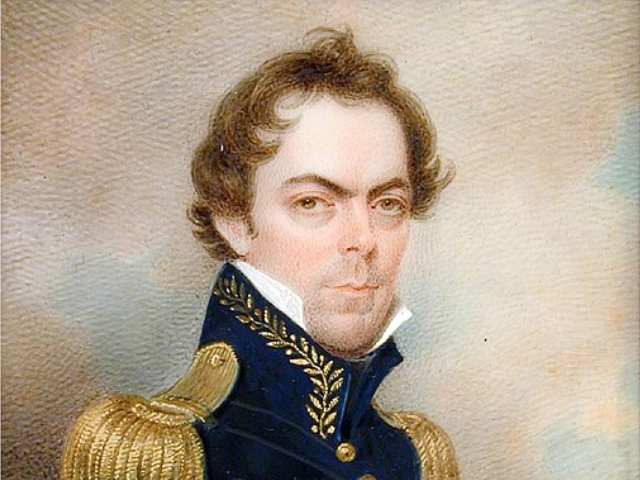
James Gadsden
James Gadsden was the diplomat (known as a minister) to Mexico where he negotiated for the Gadsden Purchase in 1853.
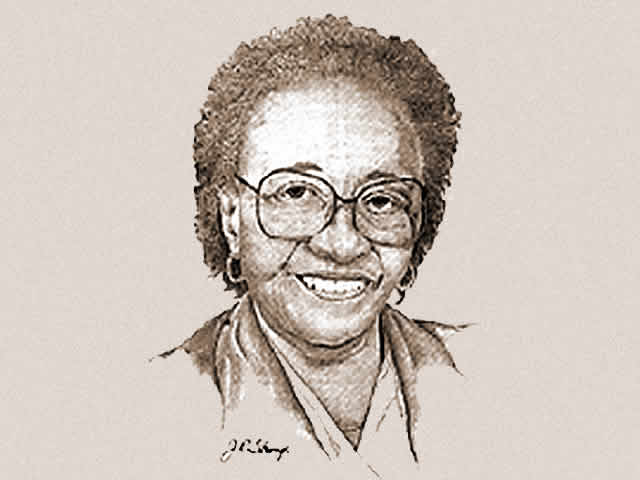
Janie Glymph Goree
Janie Glymph Goree was South Carolina's first African American female mayor of Carlisle, SC.
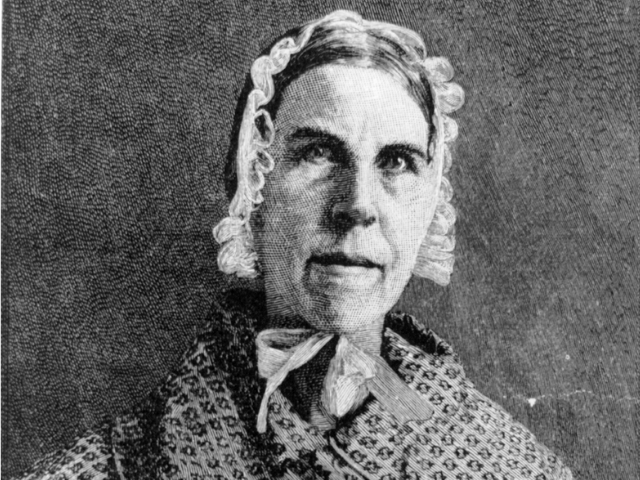
Sarah Moore Grimkè
Sarah Moore Grimkè was a prominent abolitionist and is widely held to be the mother of the Women's Suffrage Movement.
South Carolina Counties
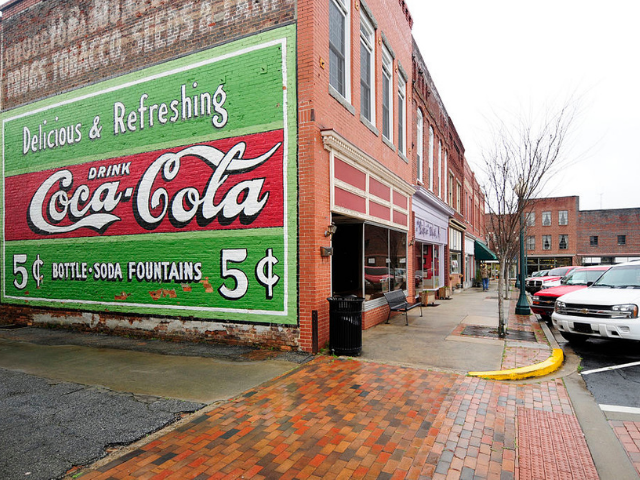
Laurens County
Laurens County and its county seat, Laurens, were named for Revolutionary War leader Henry Laurens (1724-1792).
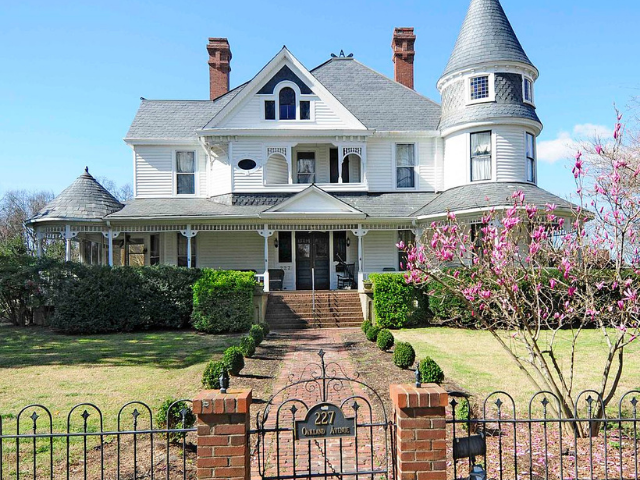
York County
York County and its county seat, the city of York, were named for York County, Pennsylvania.
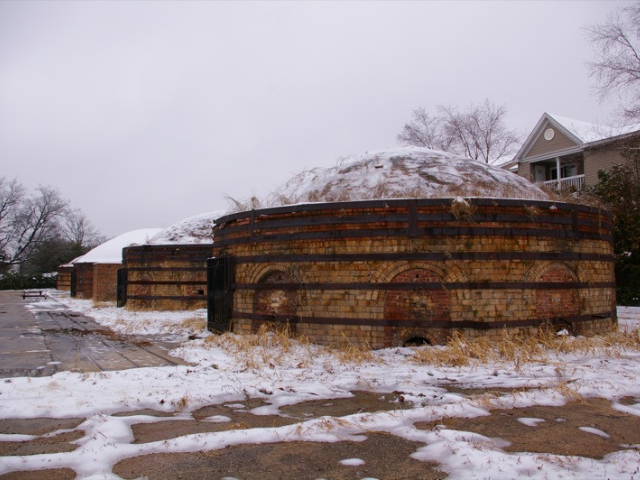
Lexington County
Lexington County and its county seat, the town of Lexington, were named for the battle of Lexington, Massachusetts, the first battle of the American Revolution.
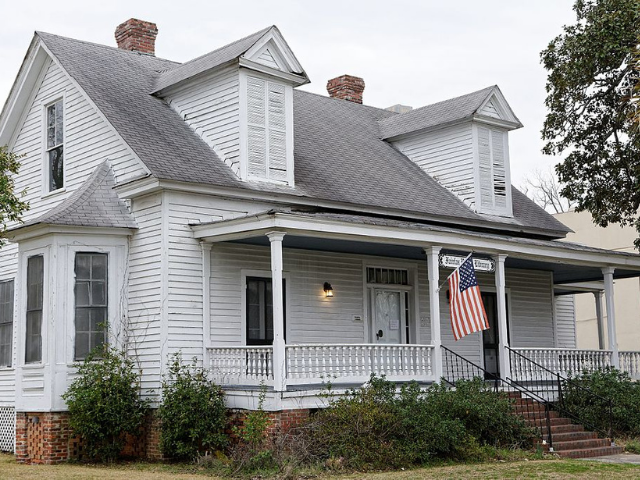
Allendale County
Allendale County and its county seat of Allendale were named for the Allen family, one of whose members, Paul Allen, was the town's first postmaster.
South Carolina Facts
South Carolina State Picnic Cuisine
Barbecue was designated as the official State Picnic Cuisine by Act Number 231 of 2014. Each region of South Carolina has a unique way of preparing and cooking barbecue that can be explored through South Carolina's "BBQ Trail."
South Carolina Glossary
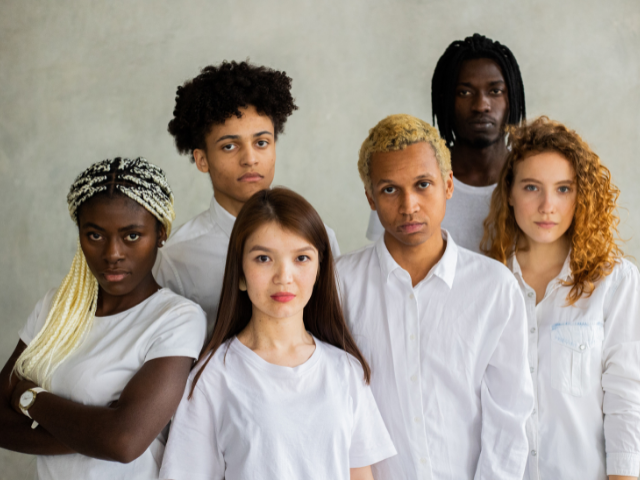
diversity
(noun) - the variety of experiences and perspectives that arise from differences in race, culture, religion, mental or physical abilities, heritage, age, gender, and other characteristics


Copyright © 2026. All rights reserved.