
Search StudySC for people, places, history, and ideas.
StudySC – Know where you live.
Explore South Carolina through StudySC! Learn about your community, South Carolina history, and the people who have made a significant impact on the state and the world.
SC Subjects by Grade Level

StudySC's SC250 Resources
Discover how South Carolina helped shape the American Revolution. Explore the people, places, and pivotal moments that made the Palmetto State a turning point in the fight for independence.
South Carolina People
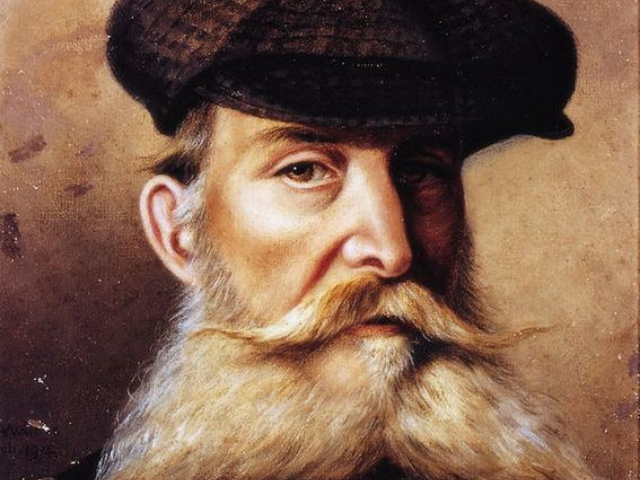
William Aiken Walker
William Aiken Walker was a painter from Charleston, SC who specialized in rural farm and plantation scenes.
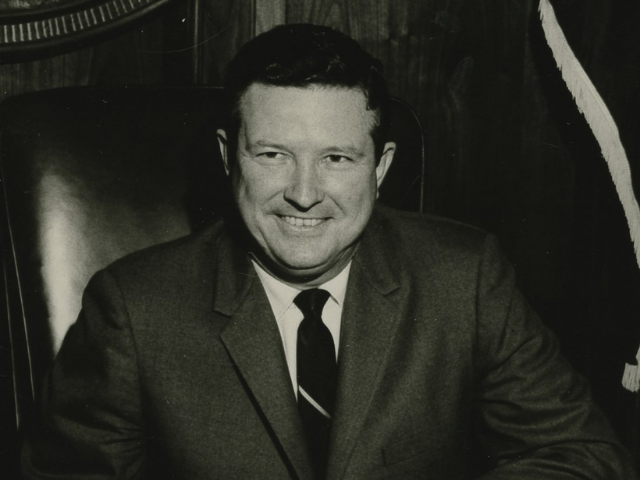
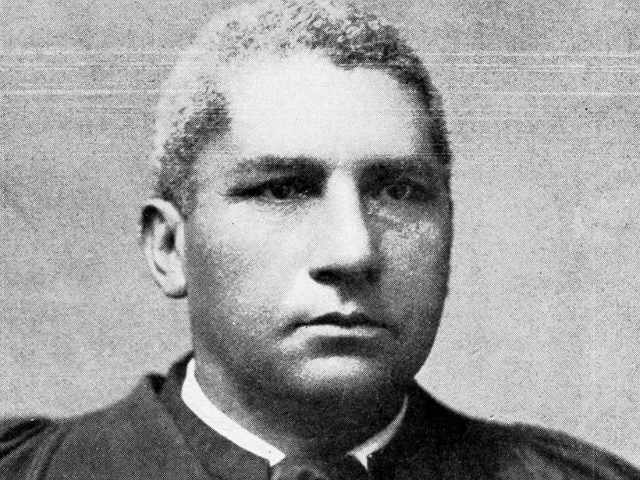

William "The Refrigerator" Perry
William "The Refrigerator" Perry was a former college and professional football player.
South Carolina Counties
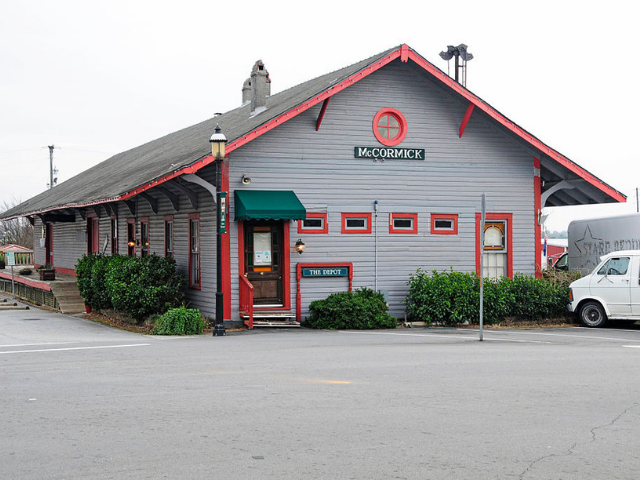
McCormick County
McCormick County and its county seat, the town of McCormick, were named for inventor Cyrus Hall McCormick (1809-1884).
Lexington County
Lexington County and its county seat, the town of Lexington, were named for the battle of Lexington, Massachusetts, the first battle of the American Revolution.
Marion County
Marion County and its county seat, the town of Marion, were named for Revolutionary War general Francis Marion (1732-1795), known as the "Swamp Fox."
South Carolina Facts
South Carolina State Vegetable
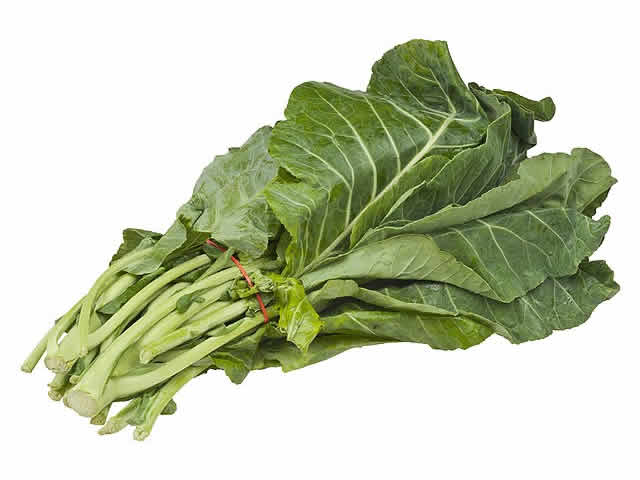
Big, green, and leafy, Collard Greens (Brassica oleracea var. viridis) was designated as the official State Vegetable by Act Number 38 of 2011, as a result of efforts by Mary Grace Wingard, a third-grader from Lexington, South Carolina. South Carolina ranks second in the nation in collard green production.
South Carolina Glossary
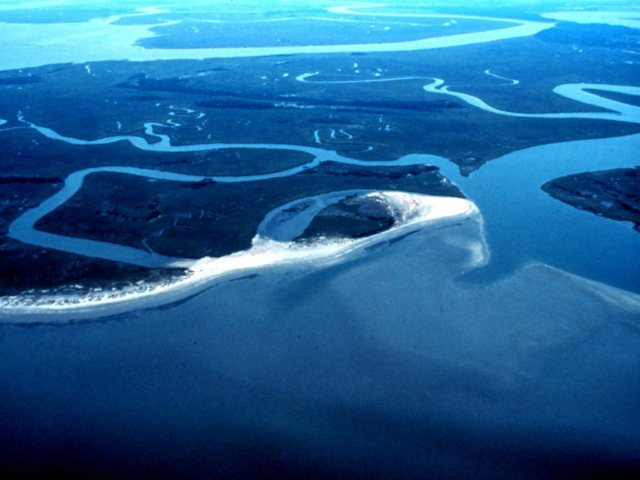
basin
(noun) - an area of water that drains into a river


Copyright © 2026. All rights reserved.