
Search StudySC for people, places, history, and ideas.
StudySC – Know where you live.
Explore South Carolina through StudySC! Learn about your community, South Carolina history, and the people who have made a significant impact on the state and the world.
SC Subjects by Grade Level

StudySC's SC250 Resources
Discover how South Carolina helped shape the American Revolution. Explore the people, places, and pivotal moments that made the Palmetto State a turning point in the fight for independence.
South Carolina People
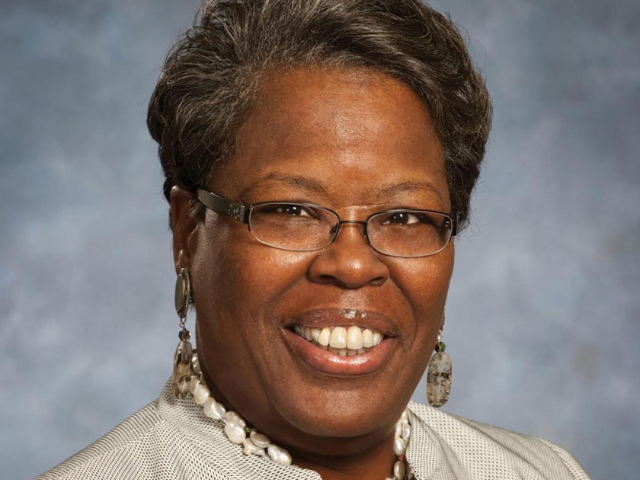
Gilda Cobb-Hunter
Gilda Cobb-Hunter is a Democratic member of the South Carolina House of Representatives, representing District 66 in Orangeburg County.
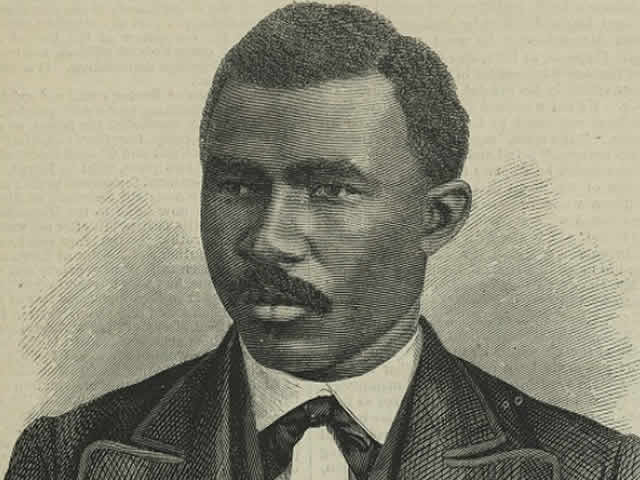
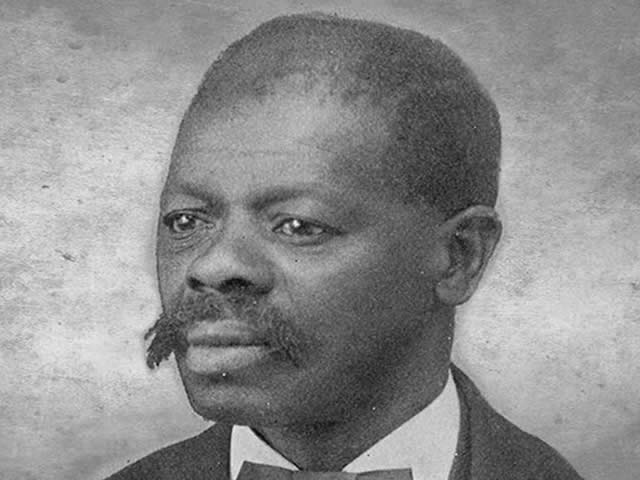
Jacob Stroyer
Jacob Stroyer was a former slave who became a preacher in Massachusetts. He is best known for his autobiography, My Life in the South.

South Carolina Counties
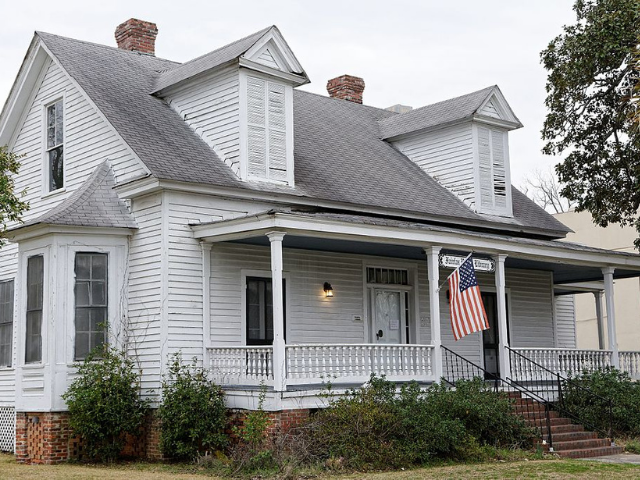
Allendale County
Allendale County and its county seat of Allendale were named for the Allen family, one of whose members, Paul Allen, was the town's first postmaster.
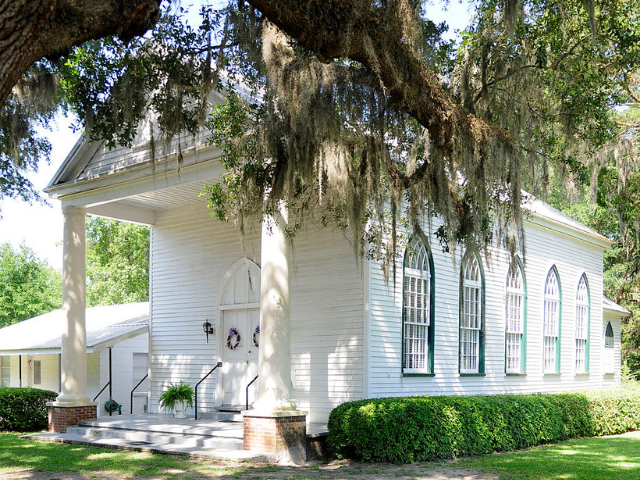
Jasper County
Jasper County was named for Revolutionary War hero Sergeant William Jasper (ca.1750-1779).
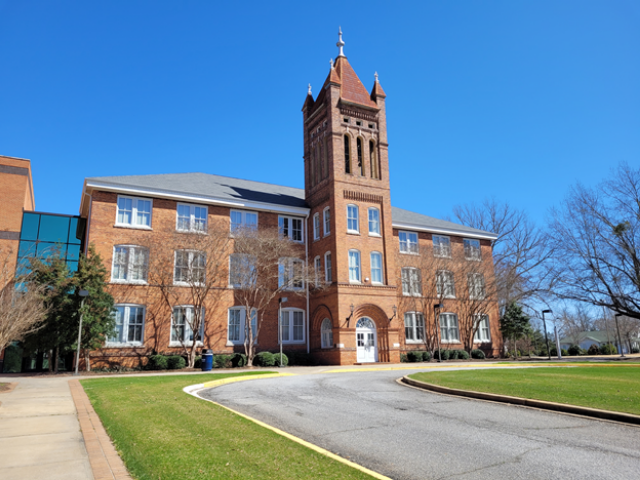
Greenwood County
Greenwood County takes its name from its county seat, Greenwood. The city of Greenwood was named around 1824 for the plantation of an early resident, John McGehee.
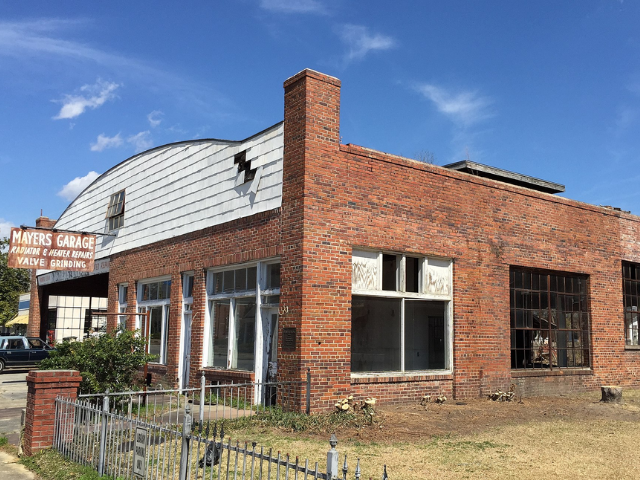
Marion County
Marion County and its county seat, the town of Marion, were named for Revolutionary War general Francis Marion (1732-1795), known as the "Swamp Fox."
South Carolina Facts
South Carolina State Butterfly
The beautiful Eastern Tiger Swallowtail (Papilio glaucus) butterfly was designated the official Butterfly of the State by Act Number 319 of 1994. The Eastern Tiger Swallowtail can be seen in deciduous woods, along streams, rivers and wooded swamps, and in towns and cities throughout South Carolina.
South Carolina Glossary
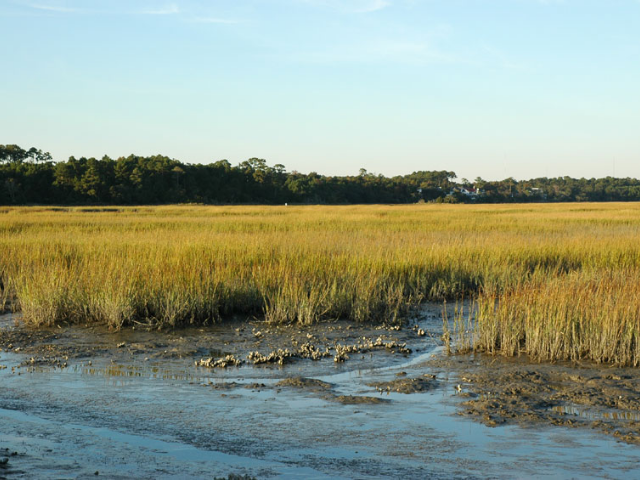
salt marsh
(noun) - low-lying wetland that is frequently flooded with saltwater


Copyright © 2026. All rights reserved.