
Search StudySC for people, places, history, and ideas.
StudySC – Know where you live.
Explore South Carolina through StudySC! Learn about your community, South Carolina history, and the people who have made a significant impact on the state and the world.
SC Subjects by Grade Level
South Carolina People
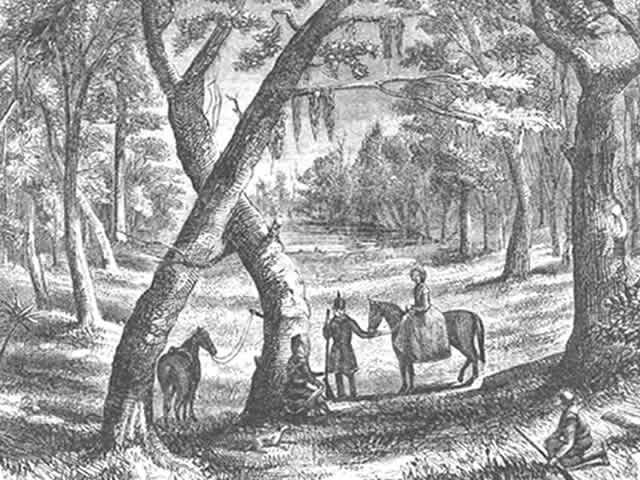
Emily Geiger
Emily Geiger risked her life by serving as a messenger for the Colonial Army during the Revolutionary War.
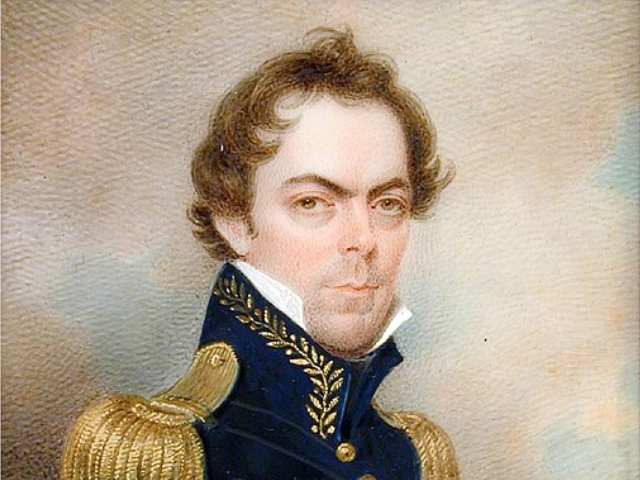
James Gadsden
James Gadsden was the diplomat (known as a minister) to Mexico where he negotiated for the Gadsden Purchase in 1853.

Tyler Florence
Tyler Florence is a celebrity Chef and television host of several Food Network shows.

Joseph Louis Bernardin
Born in Columbia, SC, Joseph Louis Bernardin was a Cardinal of the Catholic Church who served as archbishop of Chicago from 1982 until 1996.
South Carolina Counties
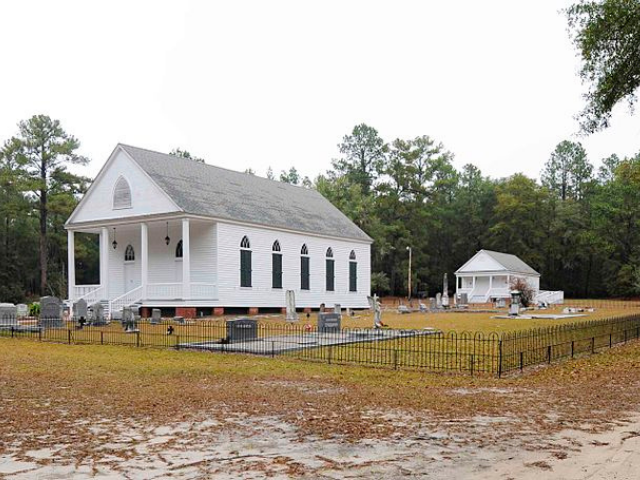
Bamberg County
Bamberg County and its county seat, Bamberg, were named for local resident William Seaborn Bamberg (1820-1858) and other members of the Bamberg family.
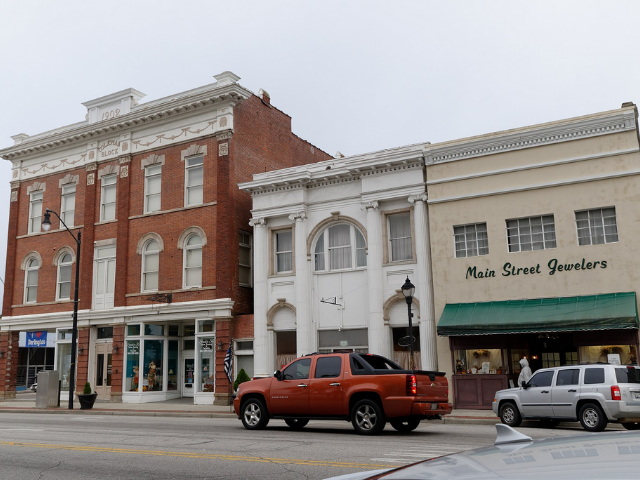
Darlington County
The origin of the name of Darlington County is uncertain, but it may have been named for Darlington, England.
Allendale County
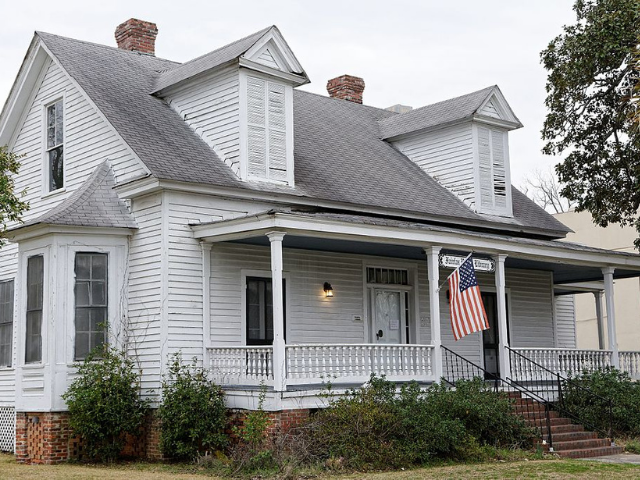
Allendale County and its county seat of Allendale were named for the Allen family, one of whose members, Paul Allen, was the town's first postmaster.
South Carolina Facts
South Carolina State Duck
The Wood Duck (Aix sponsa) was designated the official State Duck by Act Number 58 of 2009. Wood Ducks tend to habitat in woodland ponds, lakes, swamps, and marshes feeding on the vegetation and insects.
South Carolina Glossary
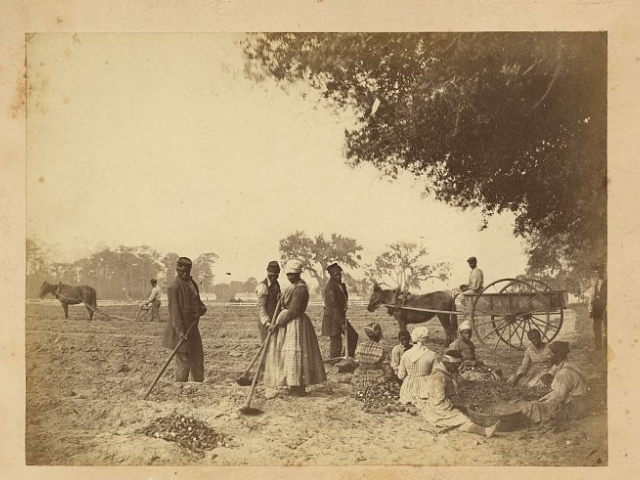
gang system
(noun) - a division of labor on plantations where slaves were divided into groups, supervised by a driver, and worked the entire day for the owner’s profit


Copyright © 2025. All rights reserved.