
Search StudySC for people, places, history, and ideas.
StudySC – Know where you live.
Explore South Carolina through StudySC! Learn about your community, South Carolina history, and the people who have made a significant impact on the state and the world.
SC Subjects by Grade Level

StudySC's SC250 Resources
Discover how South Carolina helped shape the American Revolution. Explore the people, places, and pivotal moments that made the Palmetto State a turning point in the fight for independence.
South Carolina People
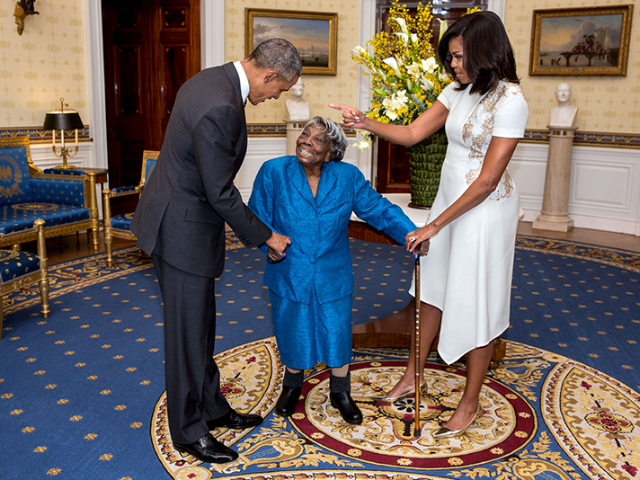
Virginia McLaurin
Born in Cheraw, SC, Virginia McLaurin is a community volunteer and supercentenarian.
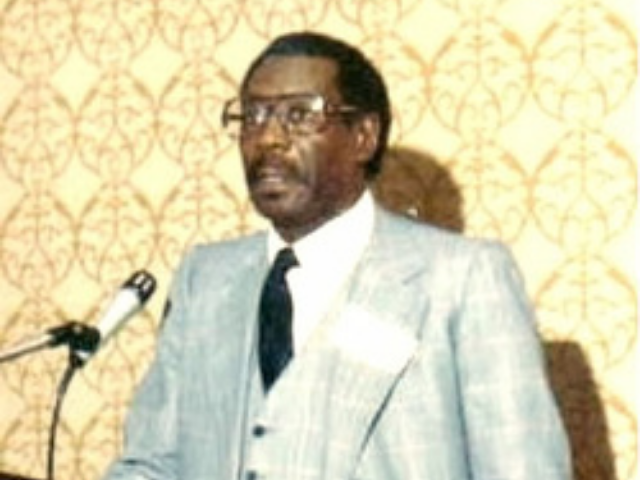
Mack Gipson, Jr.
Dr. Mack Gipson, Jr. was the first African American man to obtain a Ph.D. in Geology.
South Carolina Counties
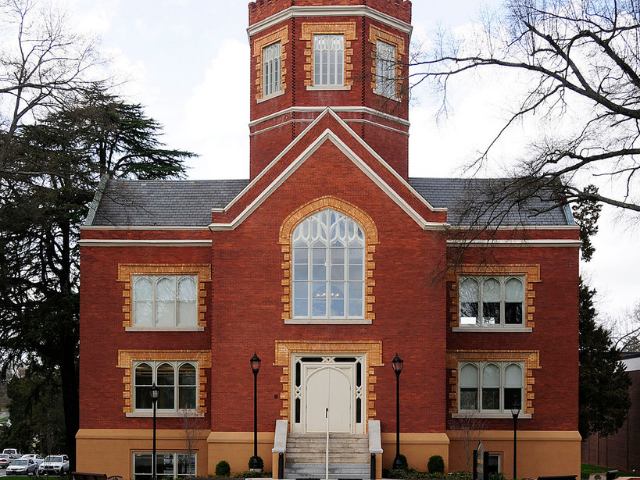
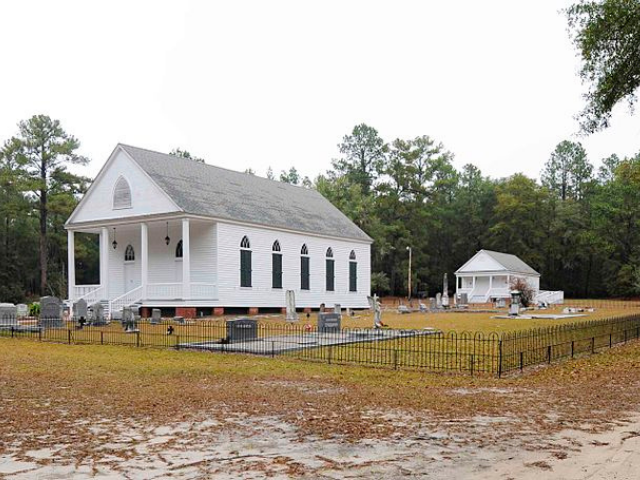
Bamberg County
Bamberg County and its county seat, Bamberg, were named for local resident William Seaborn Bamberg (1820-1858) and other members of the Bamberg family.
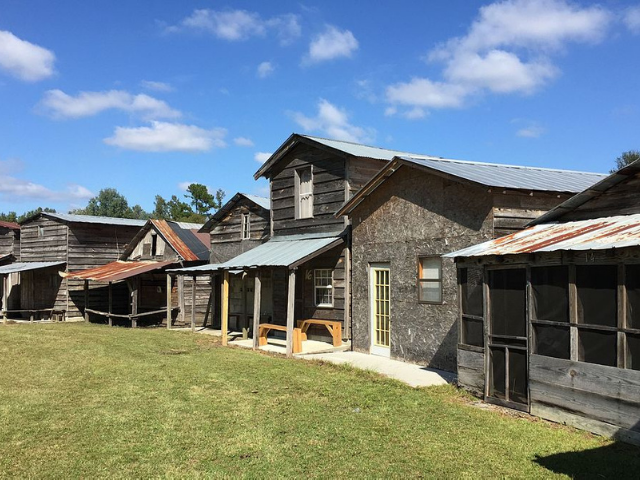
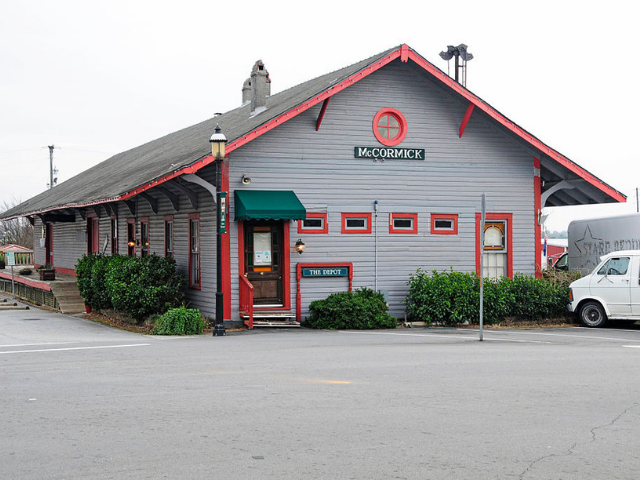
McCormick County
McCormick County and its county seat, the town of McCormick, were named for inventor Cyrus Hall McCormick (1809-1884).
South Carolina Facts
South Carolina State Heritage Horse
The Marsh Tacky is a rare colonial Spanish horse breed found only in South Carolina. In 2010, the Marsh Tacky was designated as the official State Heritage Horse of South Carolina.
South Carolina Glossary
Slave Codes
(noun) - laws that each US state, or colony, enacted that defined the status of slaves and the rights of masters. Such codes gave slave-owners absolute power over their human property.


Copyright © 2026. All rights reserved.