
Search StudySC for people, places, history, and ideas.
StudySC – Know where you live.
Explore South Carolina through StudySC! Learn about your community, South Carolina history, and the people who have made a significant impact on the state and the world.
SC Subjects by Grade Level

StudySC's SC250 Resources
Discover how South Carolina helped shape the American Revolution. Explore the people, places, and pivotal moments that made the Palmetto State a turning point in the fight for independence.
South Carolina People
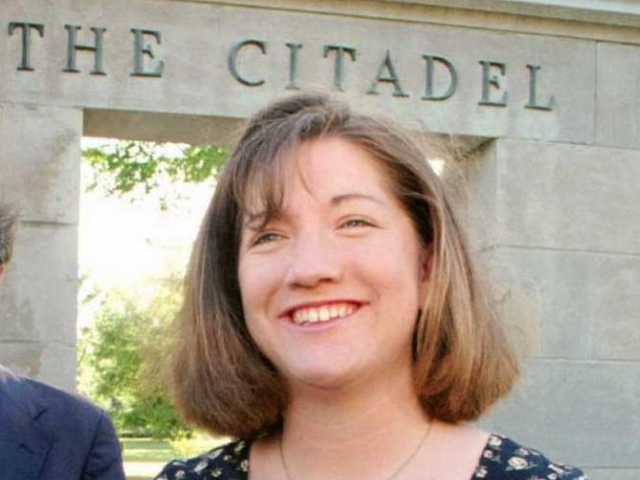
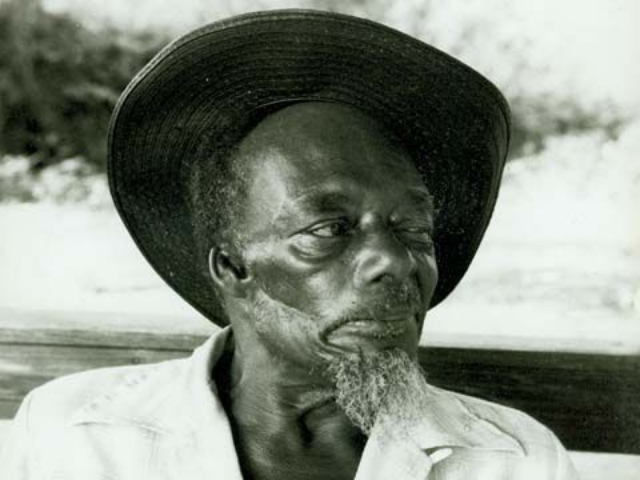

Jim Gandy
South Carolina's Weatherman, Jim Gandy, was the Chief Meteorologist for WISTV (1984-1998) and WLTX (1999-2019).

Verni Robert Quillen
Verni Robert Quillen was a journalist and humorist from Fountain Inn, South Carolina.
South Carolina Counties
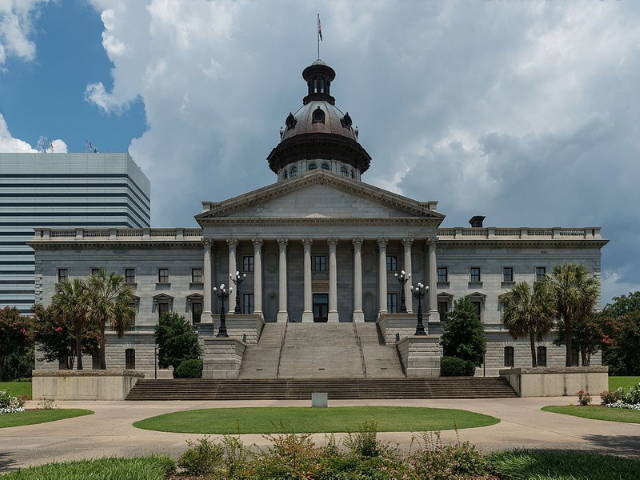
Richland County
Richland County was probably named for its "rich land." The county was formed in 1785 as part of the large Camden District.
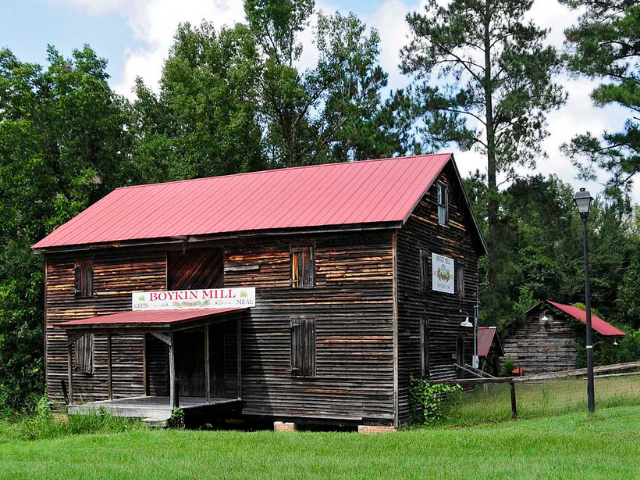
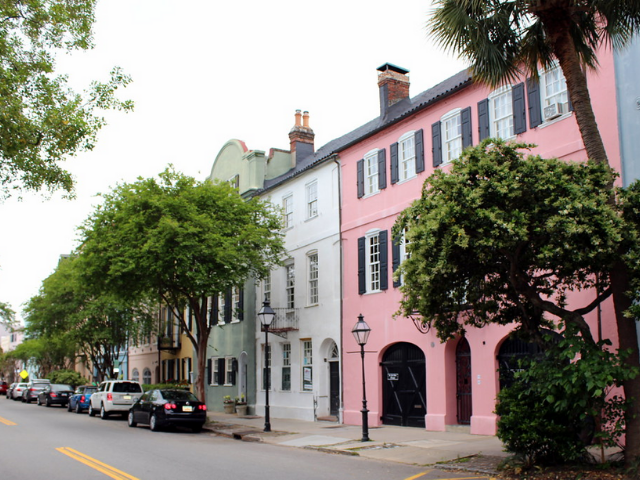
Charleston County
Charleston County and the city of Charleston, its county seat, are the most historic locations in the state. English settlers arrived in the colony of Carolina in 1670 and established a town at Albemarle Point on the west bank of the Ashley River.
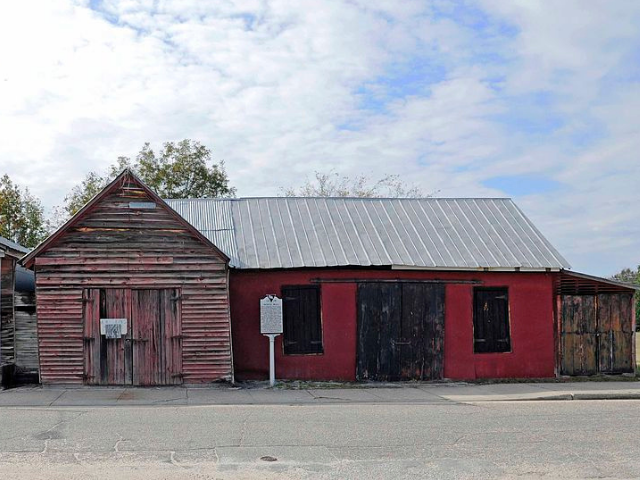
Clarendon County
Clarendon County was named for Edward Hyde, Earl of Clarendon (1608/9-1674), one of the Lords Proprietors of Carolina.
South Carolina Facts
South Carolina State Dance
The Shag (Carolina Shag) was designated the official State Dance by Act Number 329 of 1984. The basic step for this upbeat, quick, and smooth dance is a six-count, eight-step pattern danced in a slot.
South Carolina Glossary
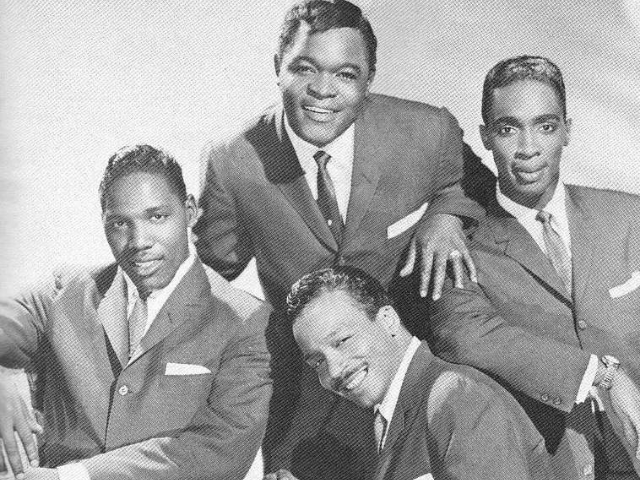
beach music
(noun) - a genre of music popular in South Carolina that combines musical styles of the 1940s-1960s. Beach music is closely associated with the Carolina Shag dance style.


Copyright © 2026. All rights reserved.