
Search StudySC for people, places, history, and ideas.
StudySC – Know where you live.
Explore South Carolina through StudySC! Learn about your community, South Carolina history, and the people who have made a significant impact on the state and the world.
SC Subjects by Grade Level

StudySC's SC250 Resources
Discover how South Carolina helped shape the American Revolution. Explore the people, places, and pivotal moments that made the Palmetto State a turning point in the fight for independence.
South Carolina People
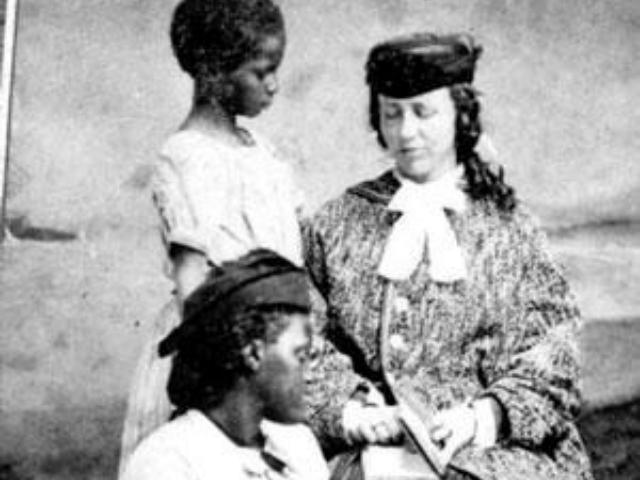
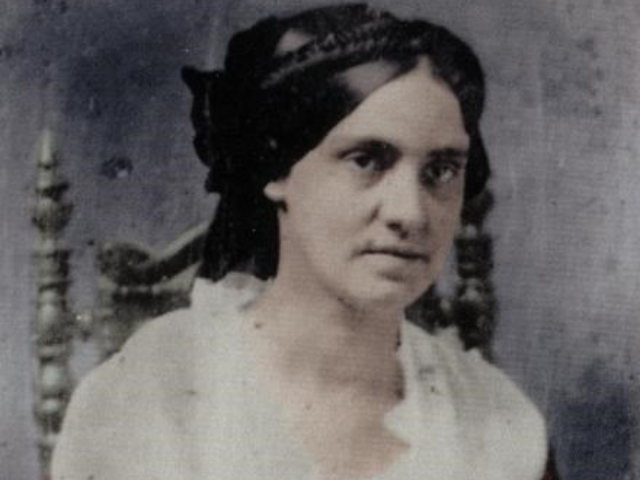
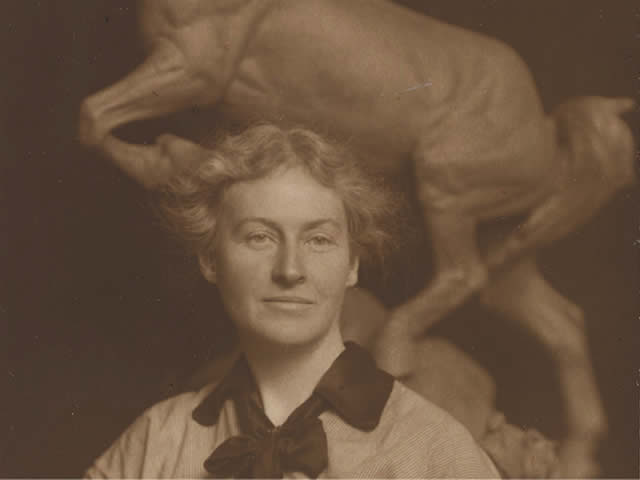
Anna Hyatt Huntington
Anna Hyatt Huntington was a well-known sculptor who, along with her husband, established Brookgreen Gardens in Georgetown County as a public garden and figurative sculpture gallery.
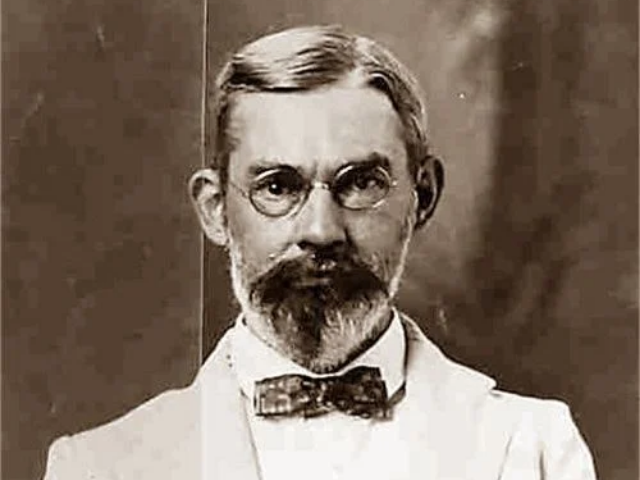
David Robert Coker
David Robert Coker was a Hartsville, SC businessman and philanthropist who founded the “Coker’s Pedigreed Seed Catalogue” in 1914.
South Carolina Counties
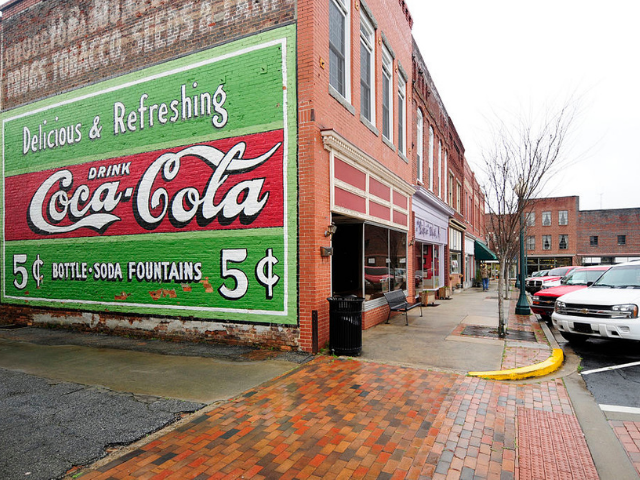
Laurens County
Laurens County and its county seat, Laurens, were named for Revolutionary War leader Henry Laurens (1724-1792).
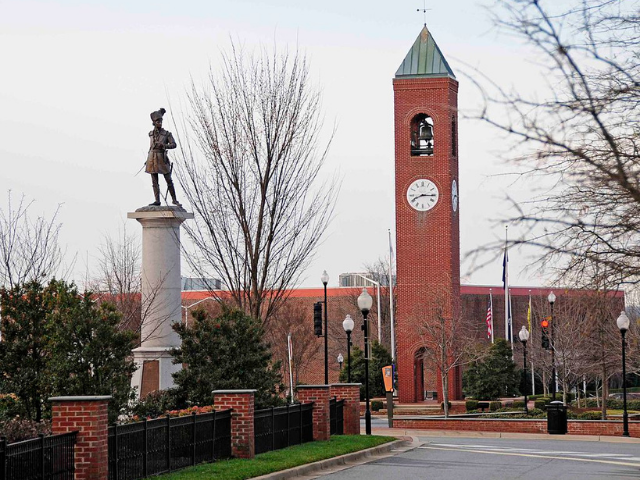
Spartanburg County
Spartanburg County and its county seat, the city of Spartanburg, were named for the Spartan Regiment, a local militia unit that fought in the Revolutionary War.
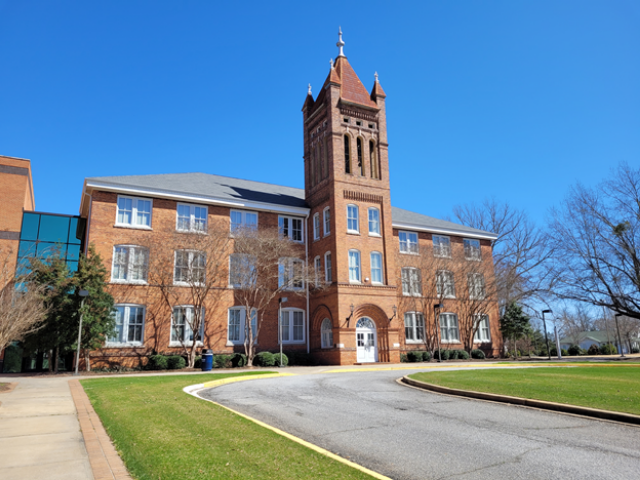
Greenwood County
Greenwood County takes its name from its county seat, Greenwood. The city of Greenwood was named around 1824 for the plantation of an early resident, John McGehee.
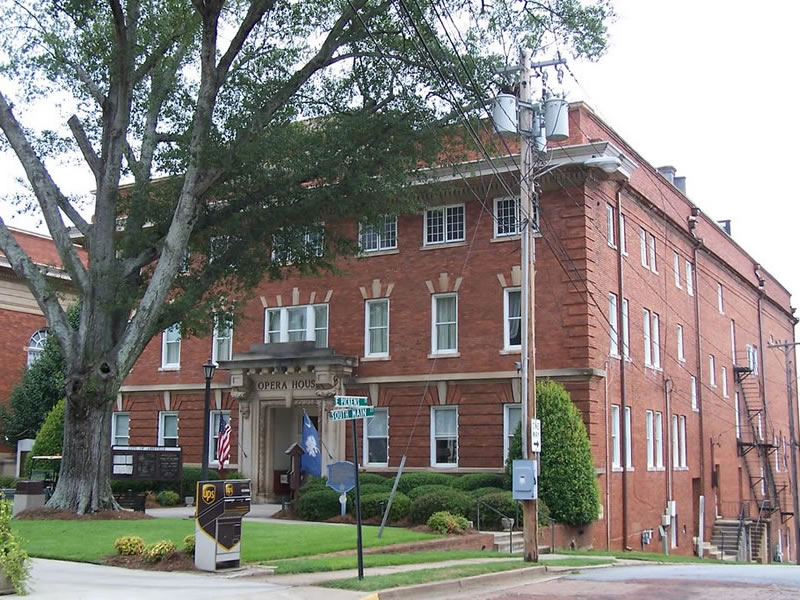
Abbeville County
Both the county and its county seat, the town of Abbeville, were named for the French town of the same name.
South Carolina Facts
South Carolina State Picnic Cuisine
Barbecue was designated as the official State Picnic Cuisine by Act Number 231 of 2014. Each region of South Carolina has a unique way of preparing and cooking barbecue that can be explored through South Carolina's "BBQ Trail."
South Carolina Glossary
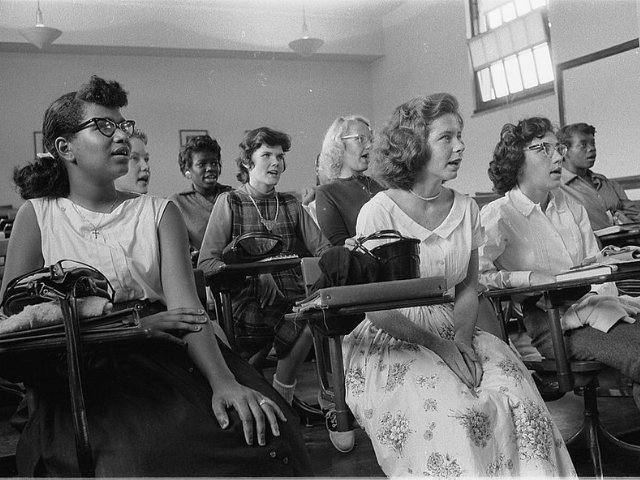
integrate
(verb) - to desegregate or open a place to members of all races and ethnic groups interstate


Copyright © 2026. All rights reserved.