
Search StudySC for people, places, history, and ideas.
StudySC – Know where you live.
Explore South Carolina through StudySC! Learn about your community, South Carolina history, and the people who have made a significant impact on the state and the world.
SC Subjects by Grade Level

StudySC's SC250 Resources
Discover how South Carolina helped shape the American Revolution. Explore the people, places, and pivotal moments that made the Palmetto State a turning point in the fight for independence.
South Carolina People
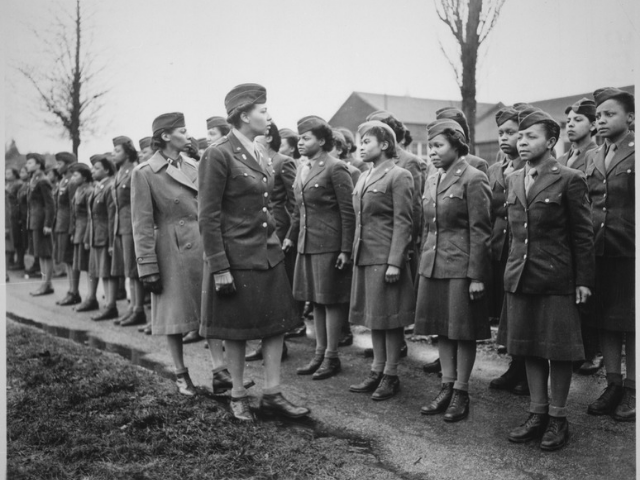
Charity Edna Adams Earley
Charity Adams Earley was the first Black woman to be an officer in the Women's Army Auxiliary Corps and was the commanding officer of the first battalion of Black women to serve overseas during World War II.

Willie Jeffries
Union native Willie Jeffries was the head football coach at South Carolina State University.
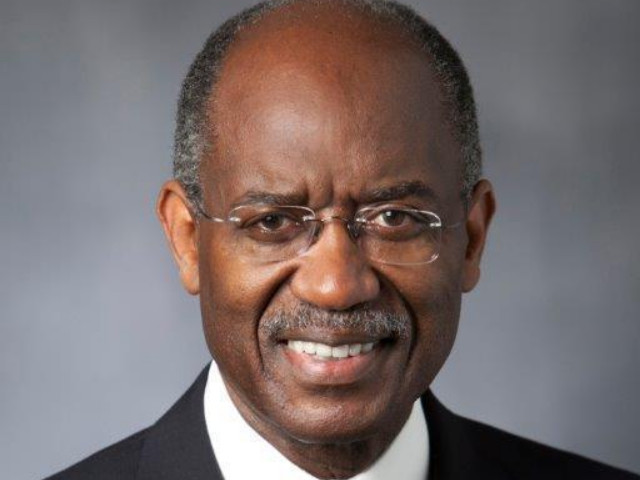
Sherman James
Hartsville, SC native Dr. Sherman James is an epidemiologist and currently the Susan B. King Professor Emeritus of Public Policy at Duke University's Sanford School of Public Policy.

South Carolina Counties
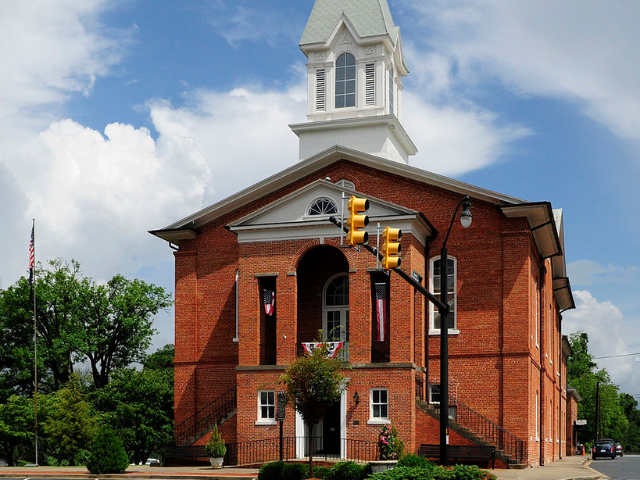
Chesterfield County
Chesterfield County was named for the English statesman Lord Chesterfield (1694-1773).
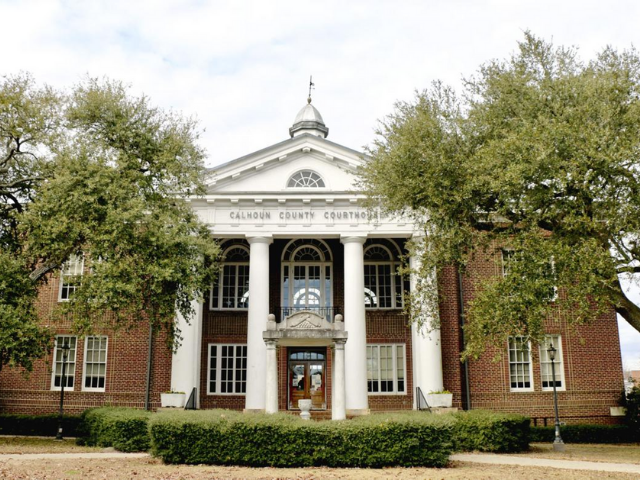
Calhoun County
Calhoun County was named for John C. Calhoun (1782-1850), who served as the United States vice president, secretary of state and of war, and senator.
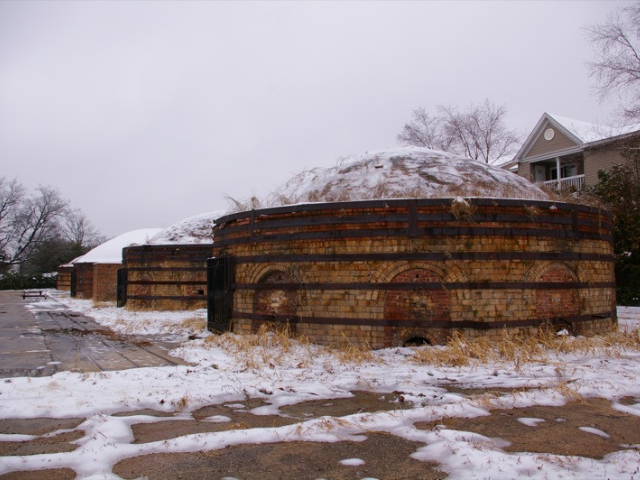
Lexington County
Lexington County and its county seat, the town of Lexington, were named for the battle of Lexington, Massachusetts, the first battle of the American Revolution.
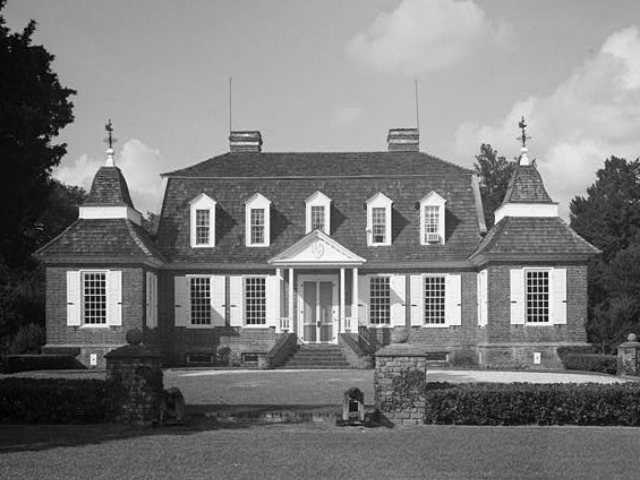
Berkeley County
Berkeley County was named for two of the Lords Proprietors of Carolina, Lord John Berkeley (d. 1678) and Sir William Berkeley (d. 1677).
South Carolina Facts
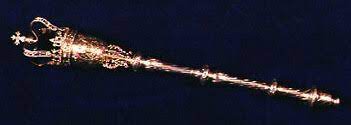
The Mace of the South Carolina House of Representatives
The South Carolina House of Representatives Mace is the oldest legislative mace in use in the United States. The Mace was made in London by Magdalen Feline in 1756. Upon the opening of the session, the Sergeant-at-Arms will bear the mace ahead of the Speaker and lay it upon a specially prepared rack on the rostrum in front of the Speaker. The Mace remains on its rack until recess or adjournment.
South Carolina Glossary
sandlapper
(noun) - a nickname for South Carolinians, primarily from the sandy eastern part of the state. Its meaning and origins are contested.


Copyright © 2026. All rights reserved.