
Search StudySC for people, places, history, and ideas.
StudySC – Know where you live.
Explore South Carolina through StudySC! Learn about your community, South Carolina history, and the people who have made a significant impact on the state and the world.
SC Subjects by Grade Level

StudySC's SC250 Resources
Discover how South Carolina helped shape the American Revolution. Explore the people, places, and pivotal moments that made the Palmetto State a turning point in the fight for independence.
South Carolina People
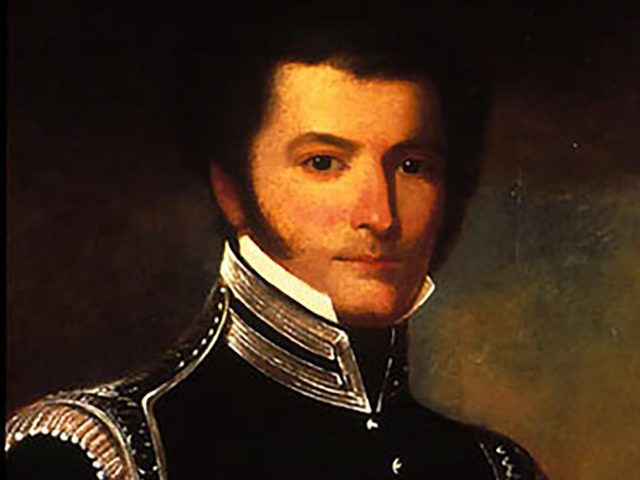
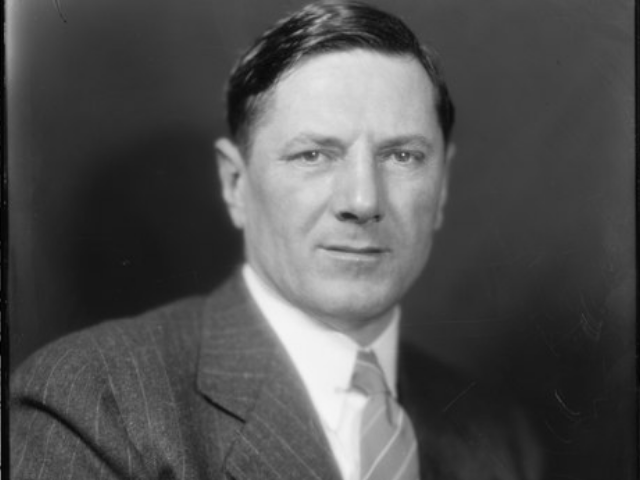
Burnet R. Maybank
Burnet Rhett Maybank was a three-term US senator, the 99th governor of South Carolina, and mayor of Charleston.
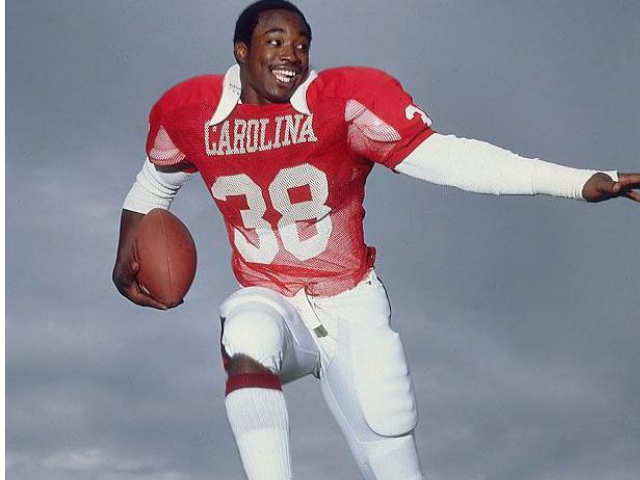
George Rogers
George Rogers won the Heisman Trophy in 1980 while playing for the University of South Carolina.
South Carolina Counties
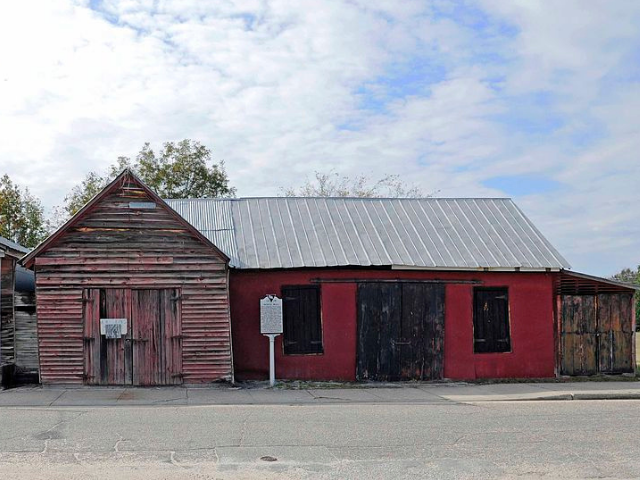
Clarendon County
Clarendon County was named for Edward Hyde, Earl of Clarendon (1608/9-1674), one of the Lords Proprietors of Carolina.
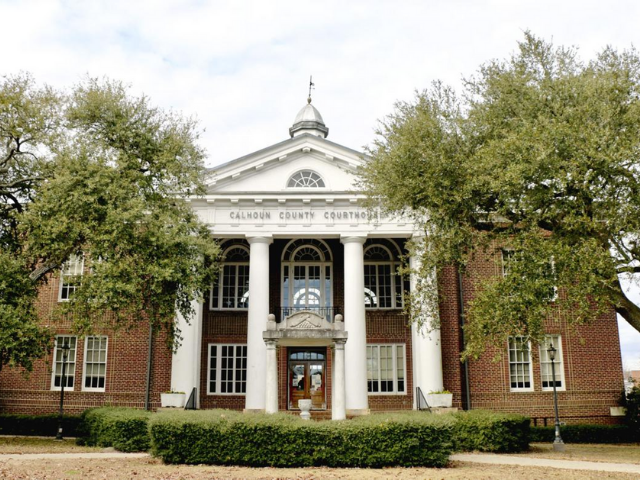
Calhoun County
Calhoun County was named for John C. Calhoun (1782-1850), who served as the United States vice president, secretary of state and of war, and senator.
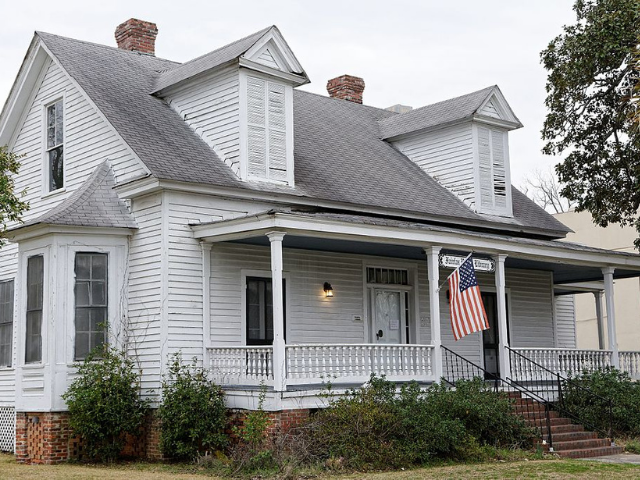
Allendale County
Allendale County and its county seat of Allendale were named for the Allen family, one of whose members, Paul Allen, was the town's first postmaster.
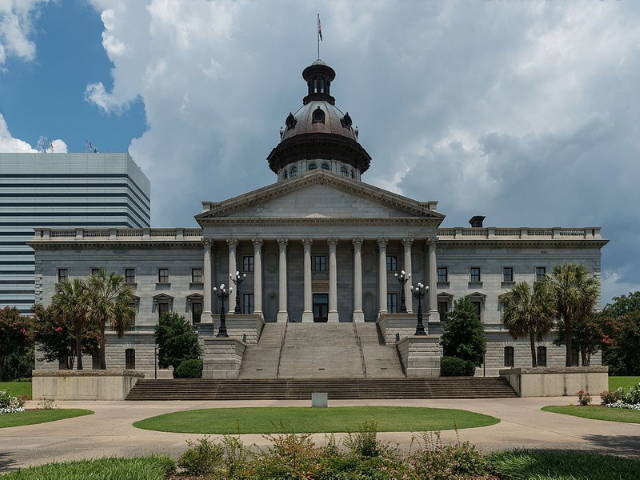
Richland County
Richland County was probably named for its "rich land." The county was formed in 1785 as part of the large Camden District.
South Carolina Facts
South Carolina State Marine Mammal
The intelligent Bottlenose Dolphin (Tursiops truncatus) was designated as the official State Marine Mammal by Act Number 58 of 2009. The bottlenose dolphins are protected in U.S. waters under the Marine Mammal Protection Act.
South Carolina Glossary
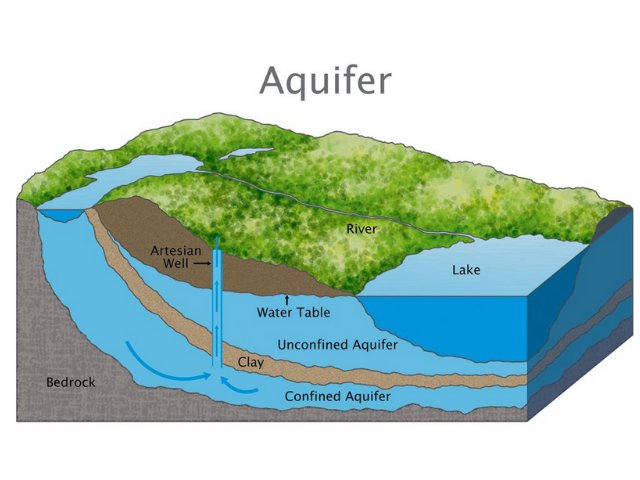
aquifer
(noun) - a pocket of groundwater


Copyright © 2026. All rights reserved.